
Social change doesn’t happen by accident. It emerges from the collective actions of individuals who dare to challenge existing norms and champion new values that reflect our evolving understanding of justice, equity, and human dignity.

Throughout history, transformative movements have reshaped societies by questioning deeply entrenched beliefs and practices. From abolition to civil rights, from gender equality to environmental protection, values-driven social change has consistently pushed humanity toward more inclusive and compassionate frameworks. Today, as we face unprecedented global challenges, understanding how moral progress occurs and how we can actively participate in shifting norms has never been more critical for building the future we collectively envision.
🌍 Understanding Values-Driven Social Change
Values-driven social change refers to the intentional transformation of societal norms, behaviors, and institutions guided by ethical principles and moral convictions. Unlike change driven purely by economic or political forces, this approach centers human dignity, justice, and collective well-being as primary motivators. It recognizes that lasting progress requires not just policy reforms but fundamental shifts in how communities perceive right and wrong.
This type of change operates on multiple levels simultaneously. Individual consciousness evolves as people encounter new information and perspectives. Community conversations shift as previously marginalized voices gain platforms. Institutions adapt their practices to align with emerging ethical standards. Legal frameworks eventually codify these new norms into enforceable standards. Each level reinforces the others, creating momentum that can seem unstoppable once critical mass is reached.
The Psychological Foundation of Moral Evolution
Human moral reasoning isn’t static. Research in developmental psychology demonstrates that individuals and societies progress through stages of moral sophistication. What seems acceptable in one era becomes unthinkable in another as collective consciousness expands. This moral evolution happens through exposure to diverse perspectives, education, empathy development, and critical reflection on inherited assumptions.
The key insight is that values aren’t purely subjective or relative. While cultural contexts shape moral frameworks, certain universal principles—like reducing unnecessary suffering and respecting human autonomy—emerge across societies. Values-driven change often involves making these implicit principles explicit and extending their application more consistently across different groups.
🔄 How Social Norms Actually Shift
Social norms function as unwritten rules that govern behavior within communities. They’re remarkably powerful because they operate through social approval and disapproval rather than formal enforcement. Understanding the mechanisms behind norm change is essential for anyone seeking to drive moral progress effectively.
Norm shifts typically follow a recognizable pattern. Initially, a small group of moral pioneers adopts new behaviors or expresses alternative values, often facing ridicule or rejection. As this group grows and demonstrates the viability and benefits of new approaches, early adopters join the movement. Eventually, a tipping point is reached—research suggests around 25% of a population—where the new norm begins to feel inevitable rather than radical.
The Role of Visibility and Representation
One of the most powerful accelerators of norm change is increased visibility. When behaviors or identities that were previously hidden become visible, they normalize rapidly. This visibility serves multiple functions: it demonstrates that alternatives exist, it provides role models for others considering similar changes, and it makes the status quo seem less natural or inevitable.
Media representation plays a crucial role in this process. When television shows, films, news coverage, and social media platforms feature diverse perspectives and challenge stereotypes, they reshape what audiences perceive as normal. This is why representation matters—not just for those being represented but for the entire society whose norms are being reconstructed through these cultural narratives.
💪 Strategic Approaches to Driving Moral Progress
Effective social change requires more than good intentions. It demands strategic thinking about how to shift hearts, minds, and institutions. Successful movements combine multiple approaches, recognizing that different strategies work for different audiences and contexts.
Building Empathy Through Storytelling
Abstract arguments about justice rarely move people as effectively as concrete stories about real individuals. Narrative campaigns that humanize issues and create emotional connections have proven remarkably effective at shifting attitudes. When people encounter the lived experiences of those affected by injustice, their capacity for empathy expands, and previously abstract moral principles become personally relevant.
The most powerful stories don’t just evoke sympathy; they challenge audiences to recognize themselves in others. They break down the psychological distance that allows people to dismiss certain groups as fundamentally different or less deserving of moral consideration. This recognition of shared humanity forms the foundation for extending rights and protections more broadly.
Creating Alternative Infrastructure
Sometimes the most effective way to challenge existing norms is to build alternatives that demonstrate better possibilities. Rather than simply criticizing what exists, values-driven change agents create new institutions, practices, and systems that embody their principles. These alternatives serve as living proof that different approaches are viable and often superior to the status quo.
This strategy works across domains. In economics, cooperatives and social enterprises demonstrate alternatives to purely profit-driven models. In education, innovative schools model more inclusive and developmentally appropriate approaches. In technology, open-source movements challenge proprietary models. Each alternative expands the collective imagination about what’s possible.
🎯 Overcoming Resistance to Moral Change
Resistance to social change is inevitable and often intense. Understanding the psychology behind this resistance helps change agents develop more effective strategies and maintain resilience when facing opposition.
Resistance typically stems from several sources. Status quo bias makes people prefer familiar arrangements even when they’re unjust. Identity threat occurs when proposed changes challenge how people see themselves or their group. Economic interests motivate those who benefit materially from existing arrangements to defend them. Genuine moral disagreement reflects different values hierarchies and philosophical commitments.
Addressing Rather Than Dismissing Concerns
The most effective change strategies don’t dismiss or demonize those who resist. Instead, they seek to understand underlying concerns and address them where possible. Some resistance reflects legitimate worries about unintended consequences or implementation challenges. Engaging these concerns seriously builds credibility and sometimes leads to better solutions.
Other resistance is less rational and more emotional. Fear of change, loss of privilege, or threat to identity require different approaches. Creating space for people to process these feelings, offering reassurance about their place in the new order, and emphasizing shared values can help reduce defensive reactions and create openings for dialogue.
📱 Technology’s Double-Edged Role in Social Change
Digital technology has fundamentally transformed how social movements organize, communicate, and build power. Social media platforms enable rapid information sharing, coordination across distances, and direct challenges to gatekeepers who previously controlled public discourse. Activists can now bypass traditional media, build global solidarity networks, and document injustices in real time.
However, technology also presents challenges for values-driven change. Algorithms can create echo chambers that reinforce existing beliefs rather than challenging them. Misinformation spreads rapidly, making it harder to establish shared factual foundations for moral debates. Surveillance technologies empower both activists and those seeking to suppress dissent. The same tools that enable coordination can also facilitate harassment and intimidation.
Leveraging Digital Tools Strategically
Successful contemporary movements understand both the opportunities and limitations of digital organizing. They use technology to amplify their messages, coordinate actions, and build community while recognizing that lasting change requires offline relationship-building, institutional engagement, and sustained effort beyond viral moments.
The most effective approaches combine digital and traditional organizing methods. Online platforms raise awareness and enable rapid mobilization, while face-to-face interactions build the deep relationships and shared understanding necessary for long-term commitment. Digital tools document successes and hold institutions accountable, while traditional advocacy work translates public pressure into policy changes.
🌱 Sustaining Momentum Over Time
Social change is rarely linear or quick. Maintaining momentum through setbacks, celebrating incremental progress, and preventing burnout among activists are essential for long-term success. The most transformative movements span decades, requiring strategies for sustaining engagement across generations.
Creating sustainable movements involves several key elements. Clear milestone goals provide concrete achievements to celebrate while working toward larger visions. Distributed leadership ensures that movements don’t depend on charismatic individuals who may leave or burn out. Cultural practices that nourish activists—through art, ritual, celebration, and mutual care—help people sustain commitment through difficult periods.
Intergenerational Wisdom Transfer
Every generation faces the temptation to believe it invented activism and must start from scratch. In reality, contemporary movements benefit enormously from learning lessons earned by previous generations. Understanding what strategies worked, what mistakes to avoid, and how earlier activists navigated challenges provides invaluable guidance.
At the same time, each generation brings fresh perspectives, new tools, and evolved consciousness to social change work. The most effective movements create spaces where experienced activists can share hard-won wisdom while remaining open to innovations from newer participants. This intergenerational dialogue strengthens movements and ensures continuity even as tactics and priorities evolve.
🤝 Building Coalitions Across Difference
Single-issue movements achieve limited impact compared to broad coalitions that recognize interconnections between various justice struggles. Building these coalitions requires navigating differences in priorities, strategies, and worldviews while maintaining focus on shared values and complementary goals.
Effective coalition-building starts with recognizing that different communities experience oppression differently and may have varying priorities. Rather than demanding uniformity, successful coalitions create space for multiple approaches while coordinating around specific campaigns where interests align. This requires ongoing dialogue, mutual education, and willingness to support partners’ priorities even when they’re not your primary focus.
Navigating Tensions and Conflicts
Disagreements within and between movements are inevitable and not necessarily destructive. Handled well, they can sharpen analysis, strengthen strategies, and ensure that multiple perspectives inform action. The key is creating processes for productive conflict that maintain relationships and shared purpose even amid disagreements.
This requires distinguishing between principled differences that deserve serious engagement and conflicts rooted in misunderstanding or ego. It means assuming good faith while also holding each other accountable. It involves recognizing that perfection is impossible and that movements must balance ideological purity with practical coalition-building to achieve real-world impact.
🎓 The Critical Role of Education
Education systems shape the values, knowledge, and critical thinking capacities of future generations. Progressive education that develops moral reasoning, empathy, and social awareness creates populations more receptive to values-driven change. Conversely, education that promotes uncritical acceptance of authority and existing arrangements impedes moral progress.
Values-driven change in education itself faces significant challenges. Curricula reflect existing power structures and often sanitize history to avoid uncomfortable truths. Testing regimes prioritize narrow skill development over broader civic and moral education. Political controversies about what children should learn reflect deeper conflicts about social values and visions for the future.
Learning Beyond Formal Institutions
While formal education matters, much moral learning happens through informal channels. Families, religious communities, cultural organizations, and peer groups all shape values and worldviews. Social movements themselves function as educational spaces where participants develop new frameworks for understanding society and their role in transforming it.
The most effective values-driven education combines intellectual understanding with experiential learning and emotional development. It’s not enough to know intellectually that injustice exists; people must develop the emotional capacity to care about it and the practical skills to address it. This holistic approach to moral education recognizes that transformation requires engaging heads, hearts, and hands.
🔮 Envisioning and Creating Better Futures
Social change movements need compelling visions of what they’re building, not just what they oppose. These positive visions inspire commitment, guide strategy, and help people imagine themselves in transformed futures. The most powerful movements balance critique of existing arrangements with aspirational pictures of alternatives.
Effective visioning goes beyond vague appeals to abstract values. It describes concrete practices, institutions, and relationships that embody those values. It addresses practical questions about how societies would function differently. It acknowledges challenges and trade-offs while maintaining optimism about human capacity for creating more just arrangements.
Prefigurative Politics and Living Your Values
One powerful approach to creating change involves embodying desired values in present-day practices rather than deferring them to some future moment. Prefigurative politics means organizing movements themselves according to the principles they advocate for society at large. If you seek democratic society, practice democracy in your organization. If you value inclusion, ensure your spaces are genuinely inclusive.
This approach serves multiple purposes. It demonstrates the viability of alternative practices in real time. It provides immediate benefits to participants rather than asking them to sacrifice indefinitely for distant goals. It builds skills and habits that will be necessary in transformed futures. And it maintains moral integrity by avoiding the trap of using oppressive means to pursue liberatory ends.
✨ Your Role in Driving Moral Progress
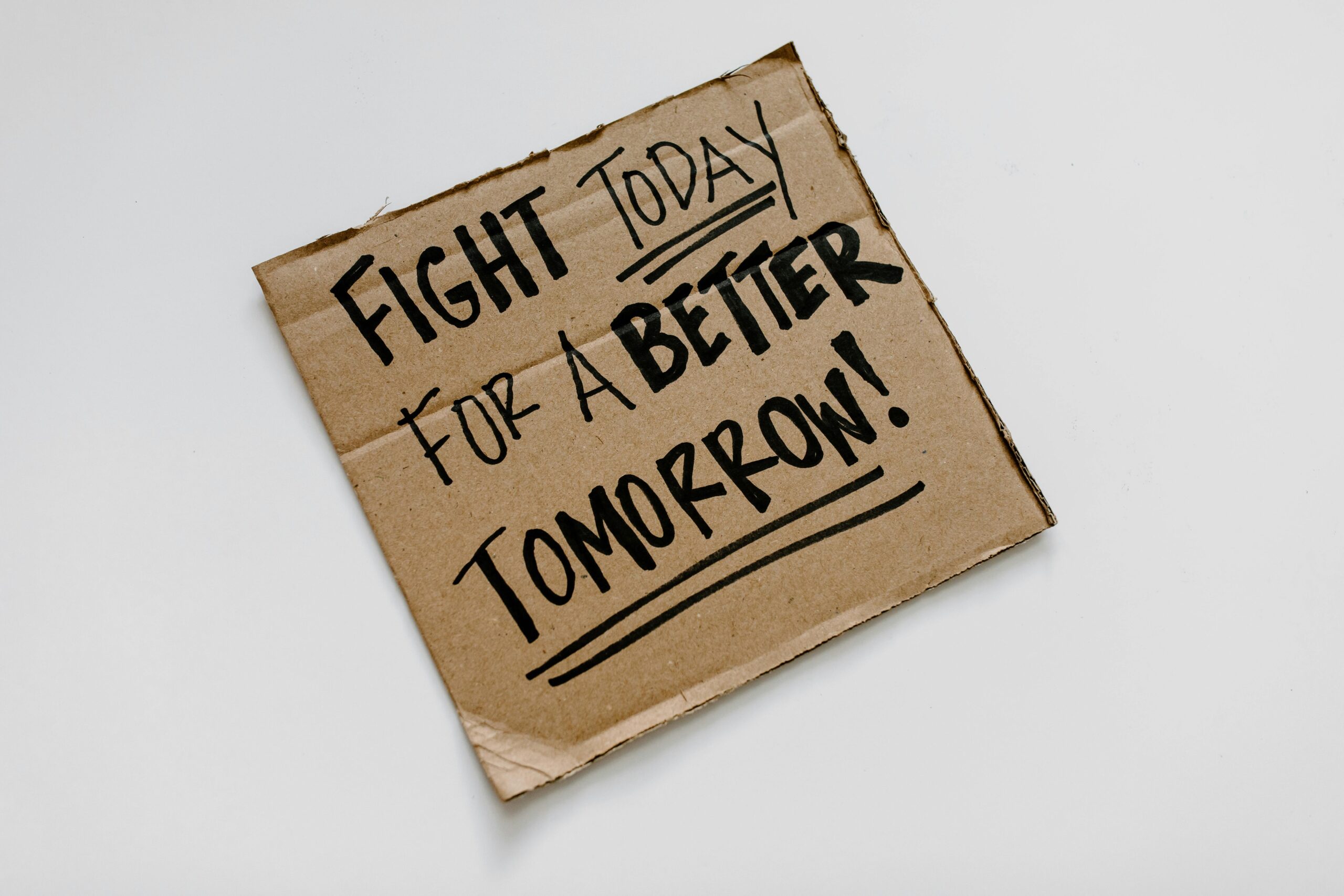
Every person has capacity to contribute to values-driven social change, regardless of their formal power or position. Change happens through millions of individual decisions to speak up, show up, and act according to values even when it’s difficult or costly. Recognizing your own agency while avoiding both grandiosity and paralysis is essential for effective engagement.
Your specific contribution will depend on your skills, resources, relationships, and context. Some people are natural organizers who build movements. Others are communicators who shape narratives. Still others are institutional insiders who advocate within existing structures. Some provide material resources while others offer emotional support. Every role matters in the complex ecosystem of social change.
The most important step is simply beginning—educating yourself about issues, examining your own assumptions, speaking up when you witness injustice, supporting others doing frontline work, and making choices aligned with your values even when they’re inconvenient. Small actions accumulate over time and combine with others’ efforts to create the collective force that shifts norms and drives moral progress toward the better future we all deserve.