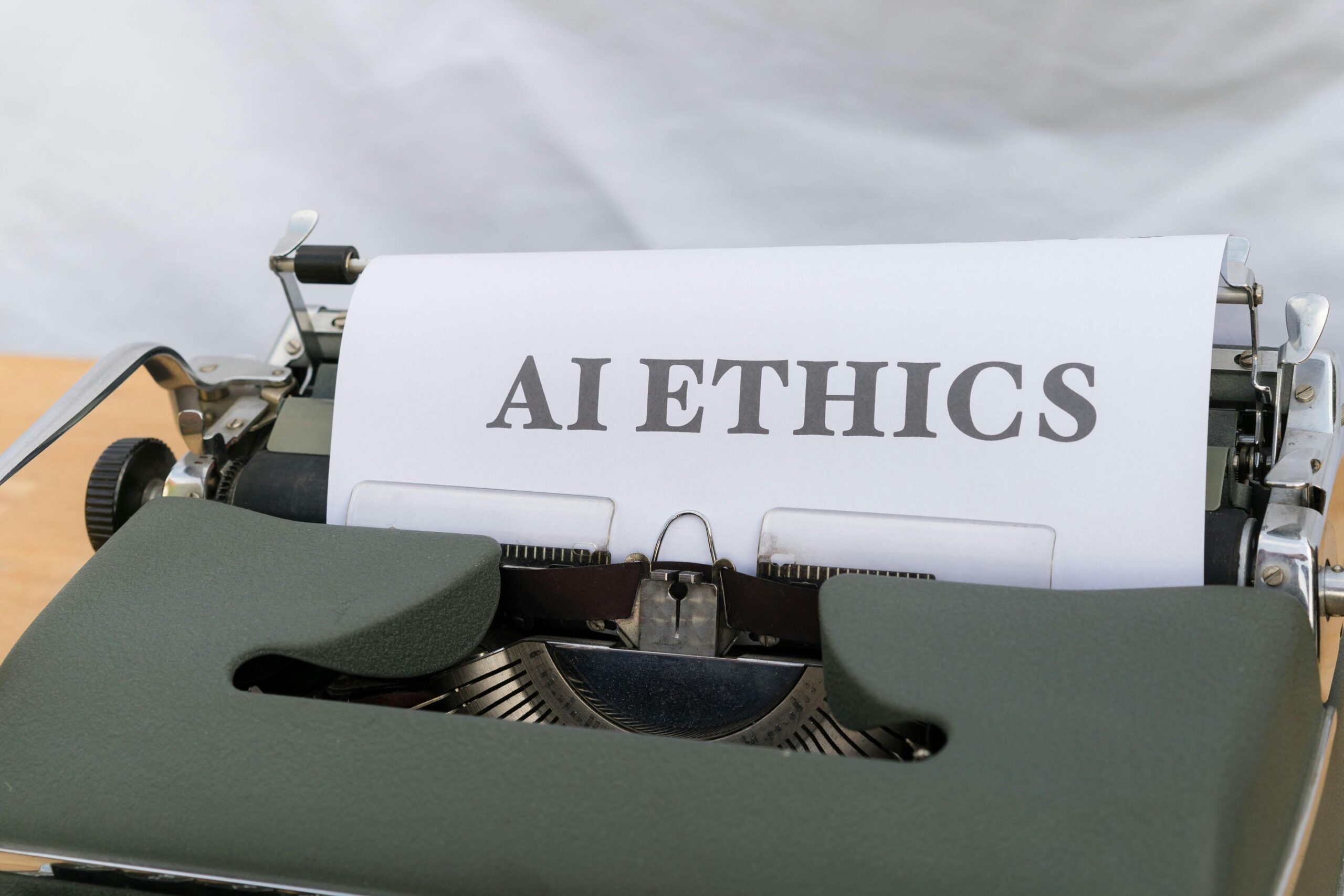
In an era where borders blur and cultures intertwine, the challenge of navigating moral landscapes has never been more complex or urgent.

Our world today presents unprecedented opportunities for connection, collaboration, and understanding across diverse populations. Yet this interconnectedness also brings forth profound questions about whose values should guide our collective decisions, how we reconcile conflicting ethical frameworks, and what it means to maintain moral integrity while respecting cultural diversity. The tension between universal principles and cultural relativism creates a dynamic space where individuals, communities, and nations must constantly negotiate the boundaries of acceptable behavior and shared values.
🌍 The Shifting Landscape of Global Ethics
The 21st century has fundamentally transformed how we engage with moral questions. Technology has collapsed geographical distances, social media amplifies voices from every corner of the planet, and migration patterns have created multicultural societies in nearly every major urban center. This unprecedented level of interconnection means that ethical decisions made in one location can have immediate ramifications halfway around the world.
Consider the global supply chain: purchasing a smartphone involves ethical considerations spanning mining practices in the Democratic Republic of Congo, manufacturing conditions in China, environmental impacts across multiple continents, and labor standards in various jurisdictions. What once might have been a simple economic transaction now carries profound moral weight that crosses cultural and national boundaries.
This complexity extends beyond consumer choices. Climate change demands collective action based on shared values about intergenerational responsibility, despite vastly different cultural perspectives on humanity’s relationship with nature. Human rights debates reveal fundamental disagreements about individual autonomy versus community obligations. Even seemingly straightforward issues like data privacy involve competing values around security, freedom, and the role of government in citizens’ lives.
Understanding the Foundation: Morality, Ethics, and Values
Before navigating these crossroads effectively, we must understand the distinct yet interconnected concepts at play. Morality typically refers to personal beliefs about right and wrong, often influenced by religious, cultural, or familial traditions. These are the internal compasses that guide individual behavior and judgment.
Ethics, while related, generally describes systematic frameworks for analyzing moral questions and making decisions. Professional ethics, for instance, provide structured approaches to dilemmas faced by doctors, lawyers, or journalists. Ethical systems like utilitarianism, deontology, or virtue ethics offer different methodologies for determining the right course of action.
Values represent the fundamental principles and priorities that shape both morality and ethics. They include concepts like honesty, justice, compassion, freedom, loyalty, and equality. While these terms appear across cultures, their interpretation, prioritization, and application vary dramatically based on context and worldview.
The Universal Versus Relative Debate
One of the most enduring philosophical debates centers on whether certain moral truths exist universally or whether all values are culturally relative. Universalists argue that some principles—such as the prohibition against torture or the protection of children—transcend cultural boundaries and should apply everywhere. The United Nations Universal Declaration of Human Rights represents this perspective, asserting fundamental rights belonging to all humans regardless of origin.
Cultural relativists counter that moral frameworks are inseparable from their cultural contexts. What constitutes respect, dignity, or justice varies significantly across societies, and imposing one culture’s values on another represents a form of imperialism. They point to historical examples where “universal” values were used to justify colonization and cultural erasure.
Most contemporary ethicists occupy a middle ground, recognizing certain core human needs and capabilities while acknowledging legitimate cultural variation in how societies organize themselves and prioritize values. This nuanced position accepts that while some practices (like slavery or genocide) are genuinely wrong across contexts, many moral questions involve balancing legitimate competing goods where different societies may reasonably make different choices.
🤝 Practical Challenges in Diverse Societies
The theoretical debates about ethics become intensely practical when diverse populations share physical and digital spaces. Multicultural societies must continually negotiate how to accommodate different value systems while maintaining social cohesion and protecting vulnerable individuals.
Religious diversity presents particularly complex challenges. When one group’s deeply held beliefs about gender roles, sexual orientation, or family structure conflict with another’s equally sincere convictions about equality and individual autonomy, how should liberal democracies respond? Schools must decide what values to transmit to children from diverse backgrounds. Healthcare systems must balance religious objections to certain treatments with patient rights and professional obligations.
Workplace Ethics in Global Contexts
Corporate environments increasingly operate across cultural boundaries, requiring employees to navigate different ethical expectations. A business practice considered normal relationship-building in one culture might constitute corruption in another. Communication styles that demonstrate respect in one context may signal deception elsewhere. Gift-giving traditions, negotiation approaches, and hierarchical relationships all carry different moral significance across cultures.
Multinational corporations face decisions about whether to maintain consistent global standards or adapt to local norms. Should a company enforce its home country’s labor standards in all locations, potentially making itself uncompetitive in markets with different regulations? Should it prohibit practices it finds ethically problematic even where they are culturally normative and legally permitted?
Digital Dimensions of Ethical Complexity
The internet has created unprecedented moral terrain where traditional ethical frameworks struggle to provide clear guidance. Online spaces bring together individuals with radically different values, often without the social cues and contextual information that facilitate understanding in face-to-face interactions.
Social media platforms must make countless decisions about content moderation, balancing free expression with protection from harm. What constitutes hate speech? Where does legitimate political discourse end and dangerous misinformation begin? These questions have no universal answers, yet platforms must develop policies that apply across diverse global user bases with conflicting expectations.
Artificial intelligence and algorithmic decision-making introduce additional ethical complexity. When algorithms make choices about loan applications, criminal sentencing recommendations, or content visibility, they encode certain values and priorities—but whose? The engineers who design these systems bring their own cultural assumptions and moral frameworks, which then shape outcomes for millions of users worldwide.
Privacy and Surveillance ⚖️
Different cultures hold dramatically different values around privacy, surveillance, and the relationship between individuals and authority. Some societies prioritize collective security and social harmony, accepting government monitoring as a reasonable trade-off. Others emphasize individual autonomy and view such surveillance as fundamentally incompatible with human dignity and freedom.
These divergent values create friction as data flows across borders and multinational technology companies operate under multiple jurisdictional frameworks. A privacy standard that feels essential in Germany might seem excessive in Singapore, while Chinese expectations around data sharing differ fundamentally from American ones. No single approach satisfies all stakeholders, forcing continual negotiation and compromise.
🌱 Building Ethical Competence for an Interconnected World
Given these complexities, what skills and approaches enable effective navigation of moral crossroads in diverse contexts? Several capacities prove essential for individuals seeking to act ethically while respecting legitimate pluralism.
Cultural humility forms the foundation. This means recognizing the limits of one’s own perspective, remaining open to learning from different moral traditions, and avoiding the assumption that one’s own values are self-evidently correct or universal. Cultural humility doesn’t require abandoning one’s own convictions, but it does demand engaging with different viewpoints seriously and respectfully.
Active Listening and Perspective-Taking
Ethical navigation requires genuine effort to understand how others experience moral questions. This goes beyond superficial tolerance to deep engagement with different worldviews. Why do others hold the values they do? What historical experiences, religious beliefs, or philosophical commitments shape their moral intuitions? What legitimate concerns might they have that differ from one’s own priorities?
Effective perspective-taking doesn’t mean agreement with all positions, but it creates space for productive dialogue rather than polarized standoffs. It allows identification of shared values even when specific applications differ, and it reveals potential compromises that respect core commitments of various stakeholders.
Critical Reflection on One’s Own Values
Navigating ethical diversity requires examining one’s own moral framework with the same critical attention directed toward others. Where do your values come from? Which are truly essential to your identity, and which are cultural habits you’ve never questioned? Are there contradictions in how you apply principles across different contexts? What implicit biases might shape your moral judgments?
This self-examination often proves uncomfortable, revealing assumptions we’d prefer not to question. Yet it’s essential for distinguishing between core ethical commitments worth defending and peripheral preferences that can accommodate pluralism. It also guards against the hypocrisy of demanding flexibility from others while refusing to examine one’s own positions.
Frameworks for Ethical Decision-Making
When facing moral dilemmas in diverse contexts, several practical frameworks can guide decision-making without imposing a single value system:
- Stakeholder Analysis: Identify all parties affected by a decision and understand their perspectives, values, and legitimate interests. This prevents overlooking consequences for vulnerable or less visible groups.
- Harm Minimization: While cultures disagree about what constitutes flourishing, there’s broader consensus about obvious harms. Prioritizing the reduction of suffering, violence, and deprivation provides common ground.
- Procedural Justice: When substantive agreements prove elusive, fair processes gain importance. Ensuring that all stakeholders have voice in decisions affecting them and that power is exercised transparently and consistently builds legitimacy even amid disagreement.
- Reversibility Test: Would you find a decision acceptable if positions were reversed? This variation on the Golden Rule helps identify when one is benefiting from power imbalances rather than genuinely defending universal principles.
The Role of Dialogue and Deliberation 💬
Perhaps no tool is more essential than genuine dialogue across difference. This means creating spaces where people with conflicting values can engage in good faith, exploring disagreements without demanding immediate resolution. Such dialogue works best when participants share certain commitments: honesty, mutual respect, willingness to be influenced by good arguments, and recognition of shared humanity despite moral differences.
Educational institutions play a crucial role in developing capacities for ethical deliberation. Rather than simply transmitting one set of values, they can teach students to engage respectfully with moral diversity, analyze ethical arguments, recognize their own assumptions, and make reasoned decisions in complex situations.
🔮 Moving Forward: Coexistence Without Consensus
The reality of our interconnected world is that we will never achieve universal agreement on many moral questions. Different religious traditions, philosophical systems, and cultural inheritances will continue generating diverse and sometimes incompatible value frameworks. The goal cannot be eliminating this diversity but rather learning to coexist respectfully and cooperatively despite persistent disagreements.
This requires accepting paradox and ambiguity. We must hold our own convictions seriously while respecting others’ equal right to their beliefs. We need both principles and flexibility, both moral clarity and epistemic humility. We must distinguish between differences that can coexist peacefully and genuine moral wrongs that demand opposition, recognizing that this boundary itself is contested.
Cultivating Moral Imagination
Perhaps most importantly, navigating ethical crossroads in a diverse world requires moral imagination—the capacity to envision possibilities beyond current polarizations. Can we find creative solutions that honor multiple value systems? Might there be approaches to contentious issues that no one has yet articulated? How might future generations look back on our current moral dilemmas?
This imaginative capacity grows through exposure to diverse perspectives, engagement with literature and art that explores moral complexity, and willingness to question inherited assumptions. It requires both humility about the limits of our current understanding and hope that better approaches remain to be discovered.
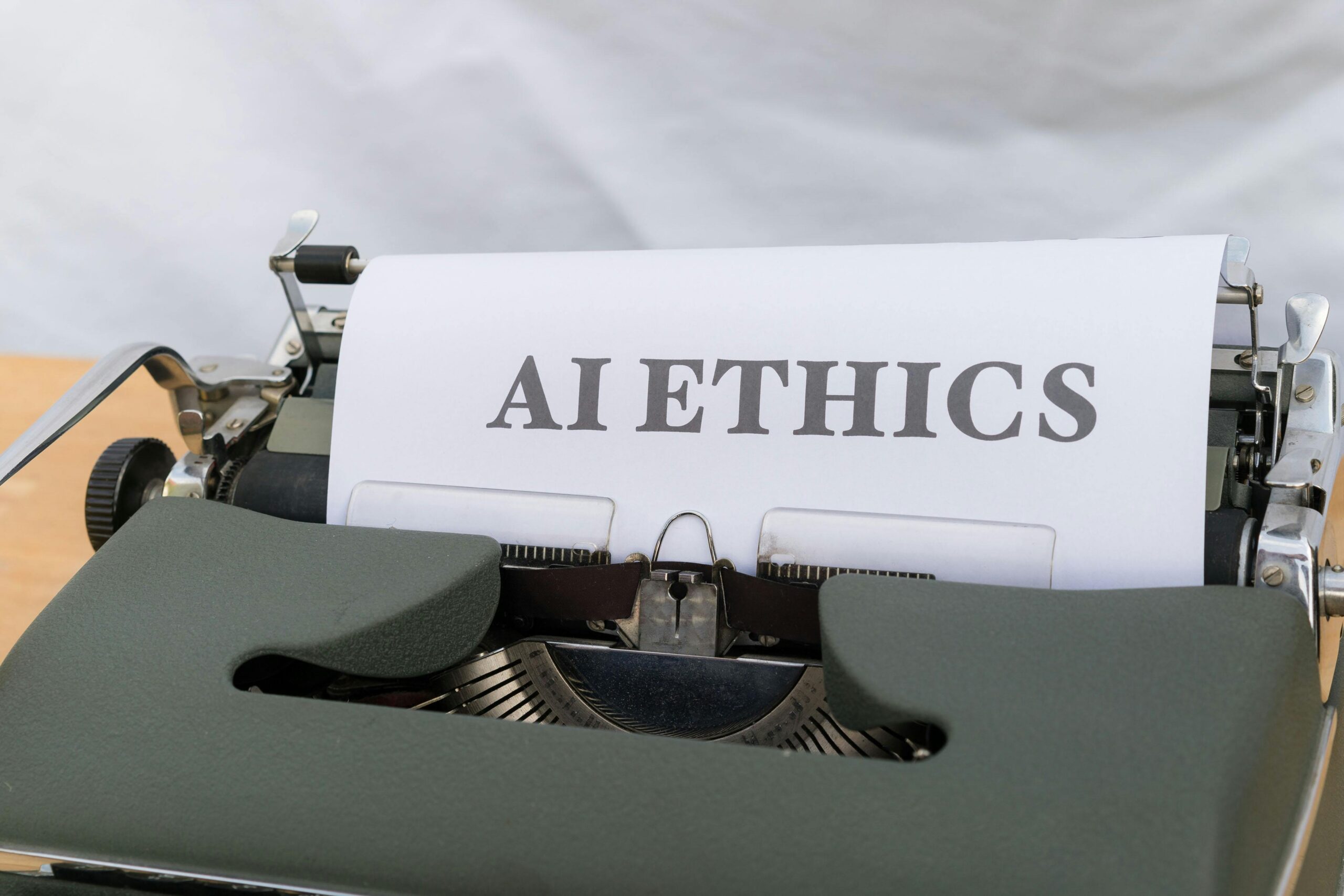
The Ongoing Journey of Ethical Navigation
There is no final destination in navigating the crossroads of morality, ethics, and values in our diverse and interconnected world. New technologies will create novel dilemmas. Shifting demographics will bring different value systems into contact. Global challenges will demand unprecedented cooperation across moral traditions. The work of ethical navigation is continuous, requiring ongoing attention, learning, and adjustment.
What remains constant is the need for certain virtues: humility to recognize the limits of one’s perspective, courage to defend core convictions while remaining open to learning, wisdom to distinguish essential principles from cultural preferences, and compassion to recognize our shared humanity despite moral differences.
By cultivating these capacities individually and collectively, we can navigate ethical complexity without either abandoning our values or imposing them on others. We can build societies and global systems that respect legitimate pluralism while protecting fundamental human dignity. We can engage moral disagreements productively rather than destructively. In doing so, we transform the crossroads from a site of collision into a meeting place where diverse traditions can enrich rather than threaten one another, creating richer moral understanding than any single perspective could achieve alone.
The journey is challenging and sometimes uncomfortable, but it is also essential for creating a world where diversity becomes a source of strength rather than division, and where our increasing interconnection fosters greater wisdom rather than deeper conflict. The crossroads await—how we navigate them will define the moral character of our shared future.