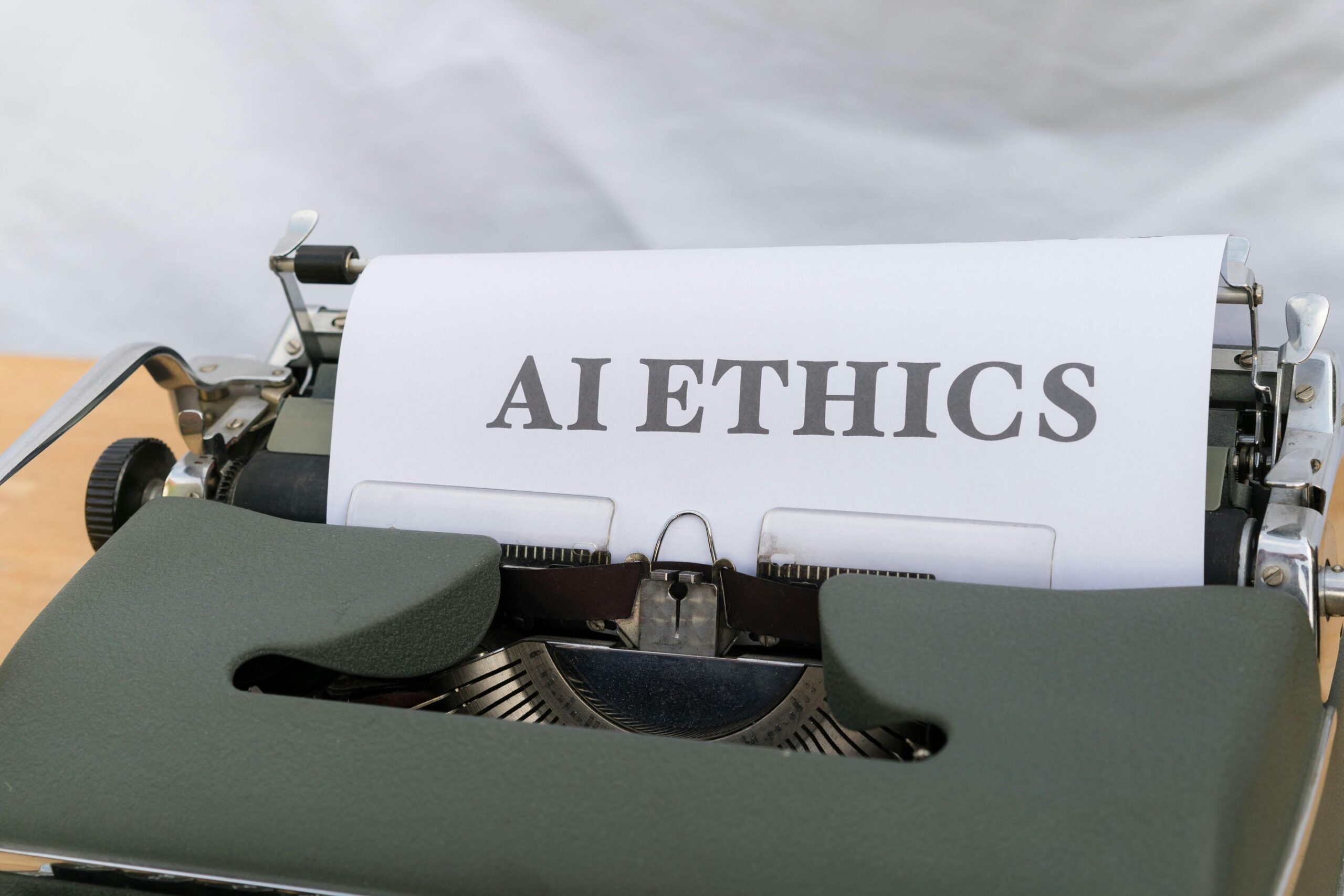
Technology has become a powerful catalyst for social change, reshaping how we protect, promote, and defend human rights across the globe. In an era where digital innovation intersects with humanitarian efforts, we’re witnessing unprecedented opportunities to address systemic injustices and empower marginalized communities through cutting-edge solutions.

The convergence of technology and human rights advocacy represents more than just digital transformation—it signifies a fundamental shift in how societies can monitor abuses, amplify voices, and create accountability mechanisms. From artificial intelligence-powered documentation tools to blockchain-based identity systems, innovative technologies are breaking down barriers that have historically prevented vulnerable populations from accessing justice and exercising their fundamental freedoms.
🌍 The Digital Revolution in Human Rights Advocacy
Traditional human rights work has long relied on manual documentation, testimony collection, and advocacy campaigns that could take months or years to yield results. Today’s technological landscape offers transformative alternatives that accelerate response times and enhance the quality of evidence gathering. Mobile applications enable real-time reporting of violations, while satellite imagery provides irrefutable documentation of large-scale abuses in remote or inaccessible regions.
Organizations worldwide are leveraging these innovations to create comprehensive databases that track patterns of discrimination, violence, and rights violations. Machine learning algorithms can analyze vast quantities of data to identify trends that human analysts might miss, enabling more strategic interventions and policy recommendations. This data-driven approach transforms reactive responses into proactive prevention strategies.
The democratization of technology means that activists in the most oppressed regions can now access tools previously available only to well-funded international organizations. Encrypted communication platforms protect whistleblowers and human rights defenders from surveillance and retaliation, while decentralized networks ensure that critical information cannot be censored or deleted by authoritarian regimes.
📱 Mobile Technology as a Catalyst for Change
Smartphones have become indispensable tools for human rights documentation and advocacy. With billions of devices in circulation globally, mobile technology reaches populations that traditional infrastructure could never serve. Applications designed specifically for rights protection enable users to securely capture evidence, report incidents, and connect with legal support networks—all from devices they carry in their pockets.
These mobile solutions often incorporate features tailored to high-risk environments, including panic buttons that instantly alert emergency contacts, camouflage modes that disguise the app’s true purpose, and automatic data backup to remote servers. Such functionality can literally save lives when activists face imminent threats or detention.
Location-based services integrated into human rights applications create powerful mapping tools that visualize where violations occur most frequently. This geographic intelligence helps organizations allocate resources more effectively and provides compelling visual evidence for advocacy campaigns. Community members can also use these maps to identify safe zones and avoid dangerous areas.
Bridging the Digital Divide
Despite the enormous potential of mobile human rights technology, significant challenges remain in ensuring equitable access. Many vulnerable populations lack reliable internet connectivity, affordable devices, or the digital literacy necessary to use sophisticated applications effectively. Innovative solutions must address these barriers through offline functionality, simplified interfaces, and community-based training programs.
Organizations are developing lightweight applications optimized for low-bandwidth environments and older devices that remain common in developing regions. Voice-based interfaces and multilingual support make these tools accessible to users with limited reading skills or those who speak minority languages. By prioritizing inclusive design, technology developers ensure their solutions truly empower all segments of society.
🤖 Artificial Intelligence: Enhancing Human Capabilities
Artificial intelligence represents perhaps the most transformative technology in modern human rights work. AI systems can process enormous volumes of information—from social media posts to satellite images—identifying patterns and evidence that would be impossible for human analysts to detect manually. Natural language processing algorithms monitor online platforms for hate speech and incitement to violence, enabling rapid intervention before rhetoric escalates into physical harm.
Computer vision technology analyzes photographs and videos to verify their authenticity, location, and timing—critical capabilities in an age of misinformation and propaganda. These tools help human rights organizations distinguish genuine documentation from manipulated content, strengthening the evidentiary value of materials presented to courts and international bodies.
Predictive analytics powered by machine learning can forecast where violations are likely to occur based on historical data and current conditions. This foresight enables preventive deployment of monitors, targeted diplomatic pressure, and early warning systems that protect civilians before crises fully develop. However, these powerful capabilities must be balanced against concerns about algorithmic bias and privacy protection.
Ethical Considerations in AI Deployment
As AI becomes increasingly central to human rights technology, practitioners must carefully navigate ethical complexities. Algorithms trained on biased historical data can perpetuate discriminatory patterns rather than eliminate them. Facial recognition systems, while useful for identifying perpetrators, raise profound concerns about mass surveillance and the rights of innocent individuals whose images are processed without consent.
Transparency and accountability mechanisms are essential to ensure AI systems serve human rights rather than undermining them. Organizations must conduct rigorous impact assessments before deploying new technologies, establish clear governance frameworks, and maintain human oversight of automated decision-making processes. The goal is not to replace human judgment but to augment it with computational power.
🔐 Blockchain and Digital Identity Solutions
Blockchain technology offers revolutionary potential for protecting vulnerable populations, particularly refugees and stateless persons who lack official documentation. Distributed ledger systems create tamper-proof digital identities that individuals control directly, without dependence on government bureaucracies that may be hostile or inaccessible. These digital credentials can facilitate access to services, financial systems, and legal protections regardless of physical location.
Smart contracts built on blockchain platforms enable automated enforcement of agreements without requiring trusted intermediaries. This capability has profound implications for labor rights, ensuring workers receive guaranteed payments and benefits that cannot be arbitrarily revoked. Supply chain transparency applications track products from origin to consumer, verifying that goods are produced without forced labor or environmental degradation.
Decentralized data storage prevents authoritarian regimes from erasing evidence of their crimes. When documentation of massacres, torture, or other atrocities is distributed across thousands of nodes worldwide, no single entity can delete the historical record. This permanence serves both immediate accountability purposes and long-term truth and reconciliation processes.
💡 Crowdsourcing and Citizen Journalism
Technology has transformed ordinary citizens into powerful human rights monitors and journalists. Crowdsourcing platforms aggregate reports from thousands of individuals, creating comprehensive pictures of unfolding situations that no single organization could compile alone. During protests, conflicts, or natural disasters, real-time citizen reporting often provides the earliest and most detailed information available to international observers.
These platforms incorporate verification mechanisms to assess the credibility of reports, cross-referencing multiple sources and applying algorithmic analysis to identify suspicious patterns. User reputation systems reward reliable contributors while flagging potentially misleading submissions. The result is a form of distributed journalism that complements rather than replaces traditional media coverage.
Citizen-generated content has influenced major policy decisions and military interventions. Videos of chemical weapons attacks, photographs of refugee conditions, and testimonies shared on social media have mobilized international responses in ways that formal diplomatic channels alone could not achieve. However, this democratization of information also requires robust systems to protect contributors from retaliation.
Protecting Digital Witnesses
Individuals who document human rights violations using technology often place themselves at significant risk. Metadata embedded in photographs and videos can reveal the identity and location of those who captured them, making witnesses vulnerable to arrest or violence. Advanced applications automatically strip identifying information from media files before they are uploaded or shared.
Secure communication channels using end-to-end encryption ensure that sensitive information reaches intended recipients without interception by hostile actors. Virtual private networks and Tor routing provide additional layers of anonymity for users in repressive environments. Training programs teach digital security practices alongside technical skills, recognizing that technology alone cannot guarantee safety.
🏛️ Legal Technology and Access to Justice
Access to legal services remains a critical barrier for many people whose rights are violated. Legal technology applications are democratizing access to justice by providing automated legal advice, document preparation assistance, and connections to pro bono attorneys. These platforms use natural language processing to analyze users’ situations and recommend appropriate legal strategies based on relevant precedents and statutes.
Virtual courtrooms and online dispute resolution systems reduce the cost and complexity of pursuing claims, particularly for individuals in remote areas or those unable to travel due to disability, poverty, or security concerns. These digital forums maintain procedural safeguards while eliminating geographical barriers to justice.
Case management systems help human rights lawyers handle larger caseloads more efficiently, tracking deadlines, organizing evidence, and automating routine administrative tasks. This increased efficiency means legal professionals can serve more clients and focus their expertise on complex strategic questions rather than paperwork.
🌐 Global Collaboration and Data Sharing
Human rights challenges rarely respect national borders, and technology enables unprecedented international collaboration. Shared databases allow organizations worldwide to access information about patterns of abuse, tactics used by perpetrators, and effective intervention strategies. This collective intelligence amplifies the impact of individual efforts and prevents duplication of resources.
Standardized data formats and interoperable systems ensure that information collected by one organization can be utilized by others, creating synergies across the human rights ecosystem. Application programming interfaces connect different platforms, enabling seamless data flow while maintaining security protocols and access controls.
Real-time translation technology breaks down language barriers that have historically limited international cooperation. Activists speaking different languages can collaborate effectively, sharing insights and coordinating campaigns without the delays and costs associated with traditional translation services. This linguistic accessibility strengthens global solidarity movements.
📊 Measuring Impact and Driving Accountability
Technology enables more rigorous measurement of human rights conditions and the effectiveness of interventions. Standardized indicators tracked through digital systems provide objective baselines against which progress can be assessed. Governments and organizations can be held accountable through transparent public dashboards that display real-time data on rights protection metrics.
Visualization tools transform complex datasets into accessible charts, graphs, and interactive maps that communicate findings to policymakers, journalists, and the general public. These compelling visual presentations often generate greater attention and action than traditional written reports. Data journalism leverages these resources to produce investigative pieces that drive public discourse.
Long-term trend analysis reveals whether conditions are improving or deteriorating, informing strategic decisions about resource allocation and advocacy priorities. Comparative data across countries or regions highlights best practices worth replicating and failures requiring urgent attention. This evidence-based approach strengthens the credibility of human rights advocacy in policy discussions.
🚀 Emerging Technologies on the Horizon
As technology continues evolving at breathtaking speed, new tools promise even greater capabilities for human rights work. Virtual and augmented reality create immersive experiences that build empathy by allowing users to virtually experience the conditions faced by refugees, prisoners, or disaster survivors. These powerful emotional connections can motivate action more effectively than abstract statistics.
Quantum computing, though still in early development stages, may eventually enable encryption that is theoretically unbreakable, providing absolute protection for sensitive human rights data. Biometric technologies could verify identities without requiring documentation, helping stateless persons prove their existence and claim rights.
Internet of Things devices and sensors create ambient monitoring systems that detect environmental hazards, track population movements, or identify infrastructure damage during conflicts or disasters. These automated systems provide continuous awareness without requiring constant human attention, enabling rapid response to emerging situations.
🌟 Empowering Communities Through Technology Transfer
Sustainable impact requires more than providing technology—it demands building local capacity to develop, maintain, and adapt solutions to specific cultural and operational contexts. Technology transfer programs train local technologists, activists, and community members to create and customize their own human rights tools rather than remaining dependent on external providers.
Open-source software plays a crucial role in this empowerment process, allowing communities to inspect code, modify functionality, and contribute improvements back to the global developer community. This collaborative model ensures that tools evolve to meet actual user needs rather than reflecting the assumptions of distant developers.
Hackathons and innovation challenges bring together diverse stakeholders to rapidly prototype solutions to specific human rights challenges. These intensive collaborative events often produce creative approaches that traditional development processes might never generate. They also build networks of technologists committed to social impact work.

🔮 Building a More Just Digital Future
The transformative potential of human rights technology ultimately depends on our collective commitment to ensuring these tools serve humanity’s highest values. Technical innovation must be guided by ethical principles, grounded in the lived experiences of affected communities, and accountable to those it aims to serve. Success requires sustained investment, inclusive development processes, and vigilance against unintended consequences.
As we continue developing and deploying innovative human rights technology solutions, we must remain focused on the fundamental goal: empowering every human being to claim their inherent dignity and rights. Technology is neither inherently liberating nor oppressive—its impact depends entirely on how we design, deploy, and govern these powerful tools. By maintaining human agency and dignity at the center of technological development, we can transform lives and build more just societies.
The journey toward universal human rights protection through technology has only begun. Each innovation opens new possibilities while presenting fresh challenges requiring wisdom, collaboration, and unwavering commitment to human dignity. Together, we are creating a future where technology amplifies humanity’s best impulses and makes the promise of universal human rights an achievable reality rather than a distant aspiration.