
Migration remains one of the defining challenges of our era, reshaping communities and testing the foundations of justice systems worldwide. As borders become both physical barriers and symbolic dividing lines, the need for compassionate, evidence-based policies has never been more urgent.

The current global landscape presents a paradox: while technology and commerce transcend borders effortlessly, human mobility faces increasing restrictions and complex legal frameworks. Understanding how to bridge these divides requires examining not just policies, but the fundamental values that should guide how societies welcome, integrate, and protect those who cross borders seeking safety, opportunity, or reunion with loved ones.
🌍 Understanding the Modern Migration Landscape
Contemporary migration patterns differ dramatically from previous centuries. Climate change, economic disparity, political instability, and armed conflict create complex push factors, while demographic shifts in developed nations create pull factors that make migration both necessary and inevitable. According to recent data, over 280 million people live outside their country of birth, representing approximately 3.6% of the global population.
This movement isn’t merely statistical—it represents millions of individual stories, families separated by bureaucracy, professionals unable to utilize their skills, and refugees navigating labyrinthine asylum systems. The human cost of inadequate migration policies manifests in overcrowded detention centers, dangerous border crossings, exploitation by smugglers, and communities living in legal limbo for years or even decades.
The Economic Reality Behind Movement
Economic migration accounts for a significant portion of cross-border movement, yet public discourse often frames it negatively. Research consistently demonstrates that migrants contribute substantially to host economies through labor participation, entrepreneurship, tax contributions, and consumer spending. They fill critical gaps in aging societies, taking both high-skilled positions that lack qualified local candidates and essential jobs in healthcare, agriculture, and service industries that citizens increasingly avoid.
The remittance economy further illustrates migration’s positive impact. Migrants send over $700 billion annually to their home countries—triple the amount of official development assistance. These funds directly support families, build communities, and stimulate local economies in ways that traditional aid often fails to achieve.
⚖️ Justice Systems Under Pressure
Migration intersects with justice systems at multiple points, creating challenges that traditional legal frameworks struggle to address. Immigration courts face massive backlogs, with some asylum seekers waiting years for hearings. This delay itself becomes punishment, keeping individuals in precarious legal status, unable to work legally, access education fully, or plan their futures.
Detention practices raise profound ethical questions. Many democratic nations detain asylum seekers and undocumented migrants in conditions that advocacy groups describe as inhumane. Children separated from parents, families held in facilities lacking adequate medical care, and indefinite detention without judicial review contradict the values these nations claim to uphold.
The Criminalization Paradox
Increasingly, migration policy treats border crossing as a criminal rather than administrative matter. This criminalization serves neither justice nor security. It clogs criminal justice systems, wastes resources on prosecuting people whose only violation was seeking better lives, and creates criminal records that permanently damage individuals’ prospects for legal status or integration.
Alternative approaches exist. Civil processing, community-based case management, and electronic monitoring have proven effective at ensuring compliance with immigration proceedings while respecting human dignity and costing significantly less than detention. Countries implementing these alternatives report compliance rates exceeding 90% when migrants receive adequate legal representation and support.
🤝 Pathways to Inclusive Policy Reform
Transforming migration and justice policies requires moving beyond reactive crisis management toward proactive, human-centered frameworks. Several principles should guide this transformation, creating systems that balance sovereignty concerns with humanitarian obligations and practical realities.
Expanding Legal Migration Channels
One fundamental reform involves creating more legal pathways for migration. When legal options don’t exist or involve wait times spanning decades, people choose irregular routes not from criminality but from necessity. Expanded work visas, family reunification programs, humanitarian corridors, and regional mobility agreements would reduce irregular migration while meeting labor market needs and respecting family unity.
Countries like Canada and New Zealand demonstrate how points-based immigration systems can select migrants based on skills and integration potential while maintaining public support. Meanwhile, regional frameworks like the European Union’s free movement principle (despite recent challenges) show that managed mobility can coexist with security and economic benefits.
Rights-Based Asylum Systems
Asylum systems must return to their foundational purpose: protecting people fleeing persecution. This requires adequate funding for asylum processing, trained adjudicators who understand country conditions and persecution patterns, and legal representation for claimants navigating complex proceedings. The right to asylum isn’t charity—it’s an international legal obligation established after World War II to prevent repeating history’s darkest chapters.
Innovation can accelerate processing without sacrificing fairness. Digital case management systems, video hearings for initial screenings, and regional processing centers could reduce backlogs while ensuring thorough evaluation. However, technology should supplement, not replace, human judgment in life-or-death decisions.
🏘️ Integration: The Often-Forgotten Component
Migration policy shouldn’t end at border control or status determination. Integration programs determine whether newcomers become contributing community members or remain marginalized. Successful integration requires coordinated efforts across housing, education, employment, and social services.
Language and Skills Development
Language acquisition represents the single most important integration factor. Countries investing in comprehensive, accessible language programs see dramatically better employment and social integration outcomes. These programs should begin immediately upon arrival, be free or low-cost, and accommodate varying education levels and learning abilities.
Credential recognition presents another critical challenge. Highly qualified professionals drive taxis or clean offices because their degrees aren’t recognized. Streamlined assessment processes, bridging programs, and mutual recognition agreements would unlock migrants’ full economic potential while addressing skilled labor shortages.
Community-Level Initiatives
Integration succeeds or fails at the community level. Programs pairing newcomers with established residents, multicultural community centers, and initiatives involving migrants in civic life build social cohesion. Cities often lead here, implementing welcoming policies even when national governments maintain restrictive stances.
Schools play crucial integration roles. Children adapt quickly when provided adequate support, becoming bridges between their families and the broader community. Multilingual education approaches, cultural competency training for teachers, and anti-discrimination programs create environments where all children thrive.
📊 Data-Driven Policy Making
Effective migration policy requires accurate data and honest assessment. Too often, policy debates rely on anecdotes, misconceptions, or politically motivated distortions. Evidence-based approaches examine what actually works, measuring outcomes rather than intentions.
| Policy Approach | Compliance Rate | Cost per Person | Integration Outcomes |
|---|---|---|---|
| Detention Centers | N/A | $120-300/day | Poor |
| Community Case Management | 92-96% | $10-40/day | Good |
| Electronic Monitoring | 88-90% | $15-30/day | Moderate |
| Legal Representation + Support | 95%+ | $50-80/day | Excellent |
This data reveals that humane approaches aren’t just ethically superior—they’re more effective and economical. Detention costs five to twenty times more than alternatives while producing worse outcomes for both individuals and communities.
🌐 International Cooperation and Shared Responsibility
Migration challenges transcend national borders, requiring international cooperation frameworks. The current system places disproportionate burdens on countries neighboring conflict zones or transit states with limited resources. Turkey hosts nearly four million refugees; Lebanon’s refugee population exceeds 20% of its total population. Meanwhile, wealthier nations far from conflict zones accept minimal numbers.
Responsibility Sharing Mechanisms
Fair responsibility sharing would distribute asylum seekers based on economic capacity and population, provide substantial support to first-asylum countries, and create resettlement commitments from nations distant from conflict zones. The UN Global Compact on Refugees attempts this framework, but lacks enforcement mechanisms and sufficient participation from wealthy nations.
Regional approaches offer promise. The Comprehensive Regional Protection and Solutions framework in Central America addresses root causes while improving protection. African nations’ progressive refugee policies, including the right to work and freedom of movement, provide models that wealthier regions should emulate rather than dismiss.
Addressing Root Causes
Ultimately, sustainable migration management requires addressing why people leave home. Climate adaptation funding, conflict resolution diplomacy, anti-corruption initiatives, and economic development assistance reduce forced migration pressures. However, these long-term investments receive far less attention and funding than border security measures addressing symptoms rather than causes.
💡 Technology’s Role in Modern Migration Management
Digital tools offer opportunities to improve migration management while raising privacy and rights concerns. Biometric systems can enhance security and reduce document fraud, but also enable surveillance and discrimination. Digital platforms can connect migrants with services, legal assistance, and integration programs efficiently.
Blockchain technology presents interesting possibilities for portable, verifiable identity credentials—particularly valuable for refugees who fled without documentation. However, implementation must prioritize data protection, individual control over personal information, and safeguards against misuse by authoritarian regimes.
Mobile applications help migrants navigate complex processes, understand rights, access services, and connect with support networks. However, digital divides mean technology cannot replace human services, interpretation assistance, and personal advocacy that vulnerable populations require.
🔮 Building the Future Framework
Creating fairer, more inclusive migration and justice policies requires fundamental shifts in how we conceptualize borders, belonging, and human rights. This doesn’t mean abandoning sovereignty or implementing open borders—rather, it means designing systems that uphold security while respecting dignity, that manage migration effectively while recognizing its inevitability and benefits.
Key Reform Priorities
- End immigration detention except where individualized assessment demonstrates flight risk or danger that cannot be managed through alternatives
- Guarantee legal representation in all immigration proceedings, recognizing that deportation represents civil death—separation from family, community, and livelihood
- Create flexible visa categories responding to labor market needs and demographic realities, with clear pathways from temporary to permanent status
- Implement robust integration support starting immediately upon arrival, including language training, credential recognition, and community connection programs
- Establish independent oversight of immigration enforcement agencies to prevent abuse and ensure accountability
- Invest in root cause solutions addressing climate change, conflict, and economic inequality that generate forced migration
- Honor asylum obligations through adequately funded, fair, and efficient systems that protect people fleeing persecution
The Political Challenge
Perhaps the greatest obstacle isn’t designing better policies—it’s building political will to implement them. Migration debates often generate more heat than light, with politicians exploiting fears rather than educating publics about realities and opportunities. Media coverage emphasizes crisis moments while ignoring successful integration stories.
Changing this dynamic requires sustained advocacy, public education about migration’s benefits, humanizing storytelling that counters dehumanizing rhetoric, and political courage to defend unpopular positions when they’re right. It requires building coalitions between migrant communities, labor unions, business groups, faith organizations, and human rights advocates—diverse stakeholders united around shared interests in functional, fair systems.
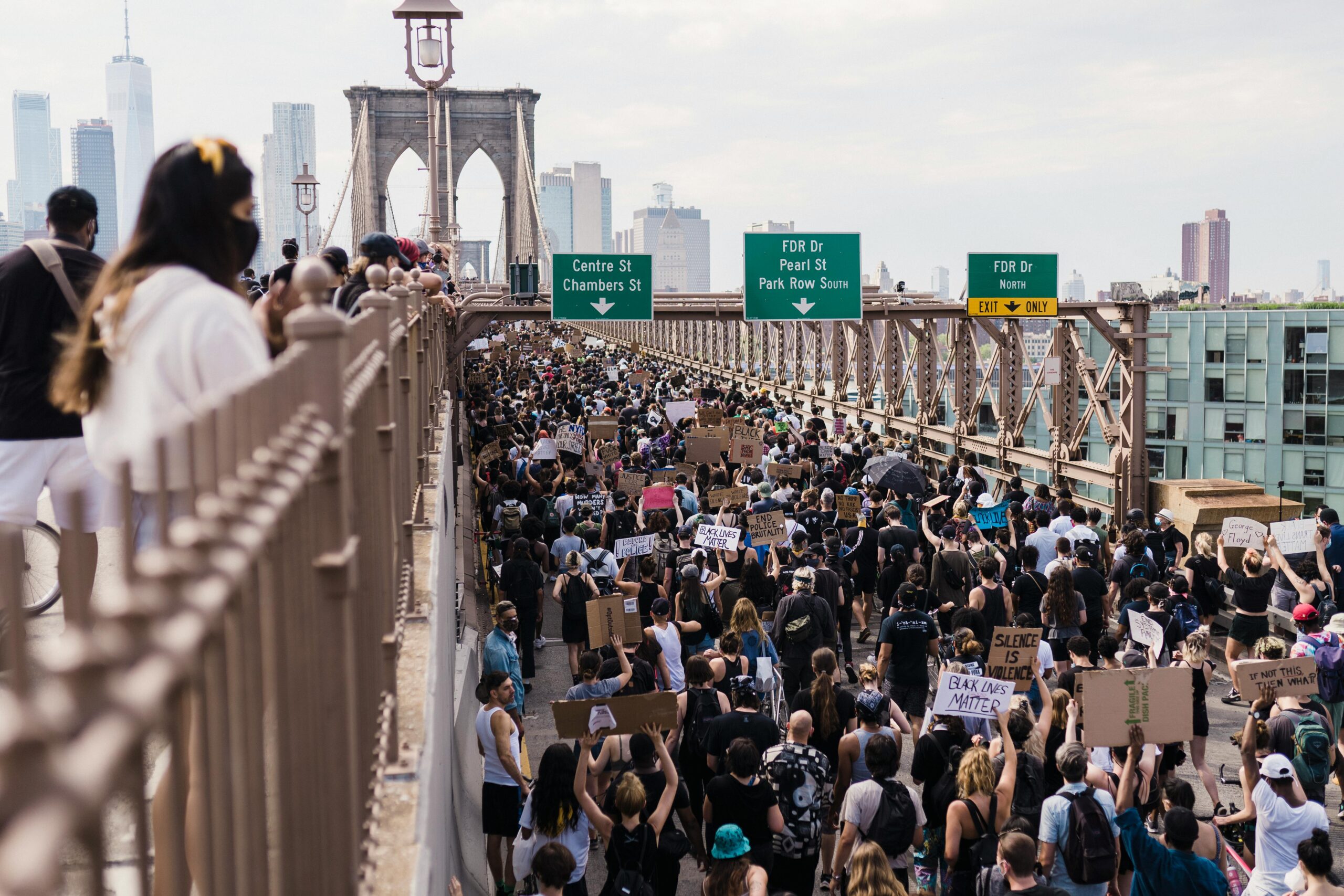
🌟 Moving Forward With Purpose and Principle
The bridge between current broken systems and fairer, inclusive migration and justice policies won’t build itself. It requires deliberate construction guided by evidence, human rights principles, and pragmatic recognition that migration continues regardless of restrictive policies—the only question is whether it occurs through managed, legal channels or dangerous, exploitative irregular routes.
Every day delay in reform has human costs: families separated, talents wasted, lives endangered, and opportunities missed for demographic renewal and economic dynamism that migration provides. Conversely, every step toward humane, effective policies creates multiplier effects as integrated migrants contribute economically, culturally, and socially to their new communities while maintaining ties that benefit countries of origin.
History will judge current societies not by how successfully we built walls, but by how wisely we built bridges—between nations and peoples, between security and compassion, between sovereignty and solidarity. The transformation needed is substantial but achievable, requiring not idealism detached from reality, but pragmatism grounded in both evidence and values.
As climate change, demographic shifts, and global inequality continue reshaping migration patterns, the choice isn’t whether to transform migration and justice policies, but whether transformation occurs through proactive, principled reform or reactive crisis management. The former path offers opportunities for mutual benefit and genuine justice; the latter guarantees continued human suffering and wasted potential. The direction we choose will define not just migration policy, but the kind of world we’re building for future generations—one of walls or bridges, division or community, fear or hope.