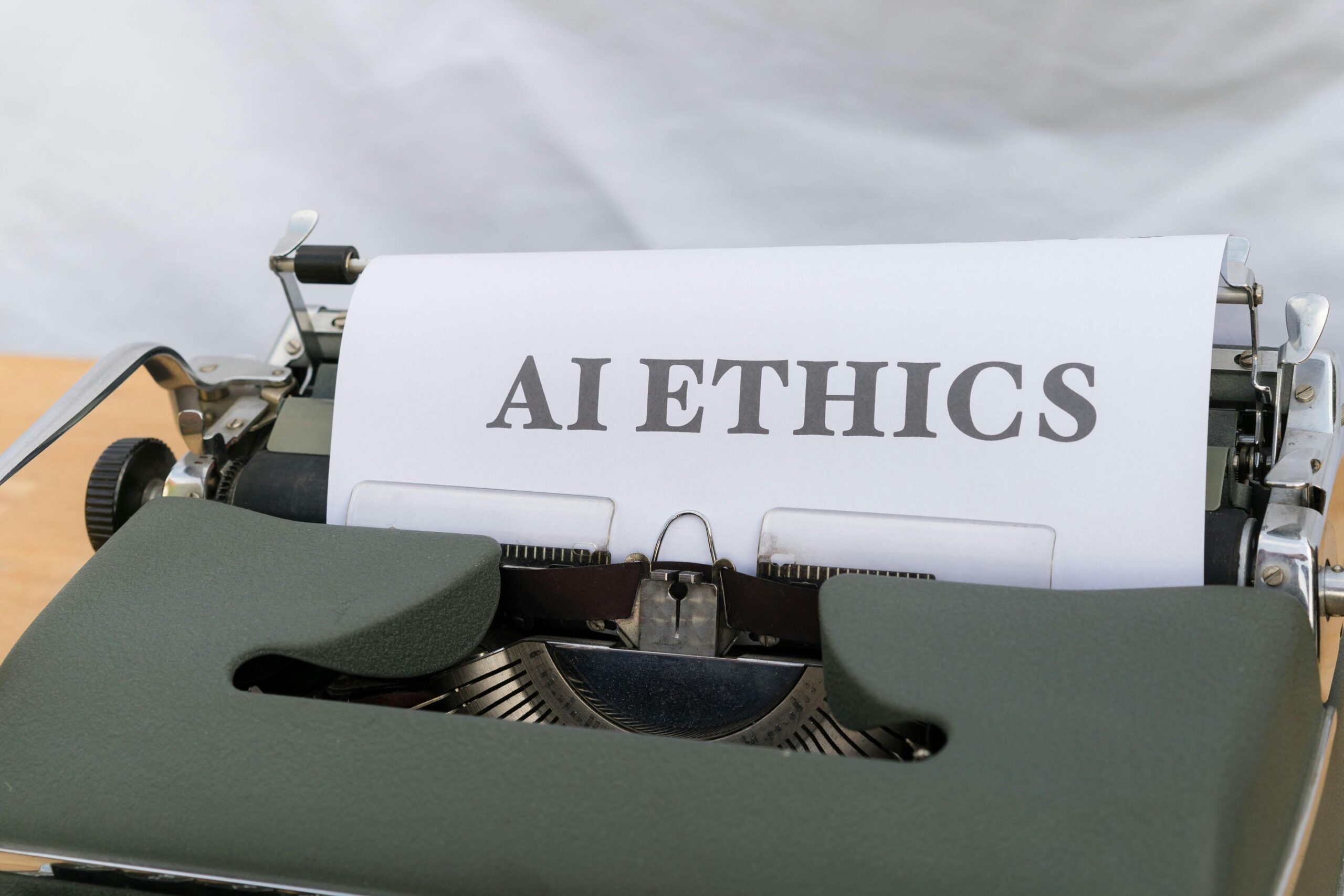
The relentless march of automation is reshaping every facet of human civilization, from industrial production to creative expression, demanding urgent dialogue about our collective future.

As machines grow increasingly sophisticated, society stands at a crossroads where technological capability must meet ethical consideration. The boundaries between human agency and algorithmic decision-making blur with each passing innovation, raising fundamental questions about responsibility, accountability, and the preservation of human dignity in an automated world. Understanding these dynamics isn’t merely academic—it’s essential for everyone navigating this transformative era.
🤖 The Expanding Frontier of Automated Systems
Automation has evolved far beyond simple mechanical repetition. Today’s systems leverage artificial intelligence, machine learning, and neural networks to perform tasks once considered exclusively human domains. From self-driving vehicles navigating complex urban environments to algorithms diagnosing medical conditions with remarkable accuracy, the scope of automated capability continues to expand exponentially.
This technological evolution brings undeniable benefits. Manufacturing processes achieve unprecedented precision and efficiency. Supply chains optimize themselves in real-time. Customer service chatbots provide instant support across multiple languages and time zones. Agricultural systems monitor crop health with sensor networks that detect problems before human eyes could perceive them.
Yet with each advancement, the boundaries become less clear. Where does human oversight end and machine autonomy begin? When automated systems make decisions affecting human lives—determining loan approvals, filtering job applications, or recommending medical treatments—the question of boundaries becomes critically important.
Defining the Lines: Where Automation Should Stop
Establishing boundaries for automation requires thoughtful consideration of context, consequence, and human values. Not all tasks suitable for automation should be automated, and not all automated processes serve human flourishing equally.
Critical Decision-Making and Human Judgment
Certain domains demand the irreplaceable nuance of human judgment. Legal sentencing, end-of-life medical decisions, and creative direction in the arts involve ethical dimensions that algorithms cannot fully comprehend. While automation can inform these processes by providing data analysis or pattern recognition, the final decision must remain with humans who understand context, emotion, and moral complexity.
Criminal justice systems experimenting with risk-assessment algorithms demonstrate these challenges vividly. These systems analyze data to predict recidivism rates, but they’ve shown disturbing biases reflecting historical prejudices embedded in their training data. The boundary here seems clear: algorithms may assist, but humans must decide matters of freedom and punishment.
Preserving Human Connection and Empathy
Some interactions fundamentally require human presence. Healthcare provides compelling examples—while diagnostic tools powered by AI can identify diseases with impressive accuracy, the therapeutic relationship between doctor and patient involves empathy, reassurance, and understanding that machines cannot replicate.
Education presents similar considerations. Automated tutoring systems can personalize learning and provide immediate feedback, but teachers do far more than transfer information. They inspire curiosity, model critical thinking, recognize emotional struggles, and adapt to the complex social dynamics of learning environments.
⚖️ The Responsibility Framework in Automated Systems
As automation penetrates deeper into decision-making processes, responsibility becomes increasingly complex. When an algorithm makes an error with serious consequences, who bears responsibility? The programmer who wrote the code? The company that deployed the system? The user who relied on its output?
Distributed Accountability Models
Traditional accountability frameworks assume clear chains of causation and human agency. Automated systems disrupt these assumptions. A self-driving car accident involves the vehicle manufacturer, the software developer, the sensor supplier, the mapping service, and potentially the human passenger. Responsibility becomes distributed across multiple actors and systems.
This complexity demands new legal and ethical frameworks. Some experts advocate for algorithmic transparency—requirements that automated systems explain their decision-making processes in understandable terms. Others propose mandatory human oversight at critical decision points, creating checkpoints where human judgment validates automated recommendations before implementation.
Corporate and Developer Responsibilities
Organizations deploying automated systems bear significant ethical obligations. These include:
- Conducting thorough testing for bias and unintended consequences before deployment
- Maintaining human oversight mechanisms for high-stakes decisions
- Providing clear explanations of how automated systems reach conclusions
- Establishing accessible channels for appealing automated decisions
- Regularly auditing systems for emerging problems or drift from intended parameters
- Protecting privacy and data security with robust safeguards
Developers face particular responsibilities as architects of these systems. Ethical AI development requires diverse teams that can identify potential biases, adversarial testing that probes for failures, and commitment to values beyond pure optimization metrics. When developers prioritize engagement over wellbeing or efficiency over fairness, automated systems can cause significant harm at scale.
💼 The Workplace Transformation Challenge
Perhaps nowhere are automation’s boundaries and responsibilities more acutely felt than in employment. Technological unemployment—job displacement due to automation—represents one of the most significant social challenges of the coming decades.
Beyond Simple Job Replacement
The relationship between automation and employment defies simple narratives. History shows technology creates new job categories while eliminating others, but the transition periods cause real hardship. Industrial automation displaced manufacturing workers while creating programming, maintenance, and logistics positions—but not always for the same people or in the same locations.
Current automation differs in scope and speed from previous technological revolutions. AI systems now perform cognitive tasks once considered automation-proof: writing content, analyzing legal documents, composing music, diagnosing illnesses. The question isn’t whether automation will continue displacing human labor—it will—but how society manages this transition responsibly.
Reimagining Work and Value
Automation forces fundamental questions about the relationship between work and human value. If machines can perform most economically productive tasks more efficiently than humans, what role remains for human labor? How do people derive meaning, structure, and financial security in highly automated economies?
Various proposals address these questions: universal basic income to decouple survival from employment; massive investment in education and retraining programs; reduced working hours to distribute available work more broadly; emphasis on inherently human domains like care work, creativity, and community building.
Each approach involves trade-offs and challenges, but all recognize that letting market forces alone manage automation’s employment effects shirks collective responsibility for human welfare.
🔒 Privacy, Surveillance, and Automated Monitoring
Automation enables surveillance at scales previously impossible. Facial recognition systems track individuals through public spaces. Algorithms analyze social media activity to infer political views, mental health status, and personal relationships. Workplace monitoring software tracks every keystroke and mouse movement.
The boundary questions here involve fundamental rights and freedoms. What level of automated surveillance is acceptable in public spaces? Should employers have unrestricted access to automated monitoring of remote workers? How do we balance security benefits against privacy erosion?
Consent and Power Imbalances
Automated surveillance often involves significant power asymmetries. Individuals may “consent” to monitoring because refusing means losing employment, housing, or services. This coerced consent fails ethical standards requiring informed, voluntary agreement.
Responsible automation in this domain requires clear boundaries: specific purpose limitations preventing function creep, data minimization collecting only necessary information, transparency about what’s monitored and how it’s used, and meaningful consent mechanisms that don’t punish refusal.
🌍 Environmental Considerations in the Age of Automation
Automation’s environmental impact presents paradoxes. Optimized industrial processes reduce waste and energy consumption. Smart grids balance renewable energy sources efficiently. Precision agriculture minimizes water and fertilizer use. Yet the infrastructure supporting automation—data centers, manufacturing facilities, electronic waste—carries substantial environmental costs.
Responsibility here involves honest accounting. The computational power required for advanced AI systems consumes enormous energy. Training a single large language model can generate carbon emissions equivalent to multiple automobile lifetimes. As automation expands, its environmental footprint must factor into deployment decisions.
Boundaries might involve sustainability thresholds: requiring automated systems to demonstrate environmental benefit exceeding their operational costs, or restricting particularly energy-intensive applications unless powered by renewable sources.
🎓 Education and Digital Literacy in Automated Futures
Preparing populations for automated futures represents a fundamental societal responsibility. This involves more than vocational training for technical roles—it requires widespread digital literacy enabling critical engagement with automated systems.
Essential Competencies for Automation Age
Future-ready education should develop several key capacities:
- Understanding how algorithms shape information access and decision-making
- Recognizing automated systems and their potential biases
- Maintaining skills in domains emphasizing uniquely human capabilities
- Adapting to technological change through continuous learning
- Thinking critically about when automation serves human flourishing and when it doesn’t
Educational systems themselves face automation pressures. While automated tutoring and assessment offer potential benefits, education’s social and developmental functions require careful boundary-setting to preserve crucial human elements.
🏛️ Governance Frameworks for Responsible Automation
Effective governance of automation requires coordinated action across multiple levels: international agreements establishing basic principles, national regulations tailoring approaches to specific contexts, industry standards promoting best practices, and organizational policies implementing responsible systems.
Regulatory Approaches and Challenges
Several jurisdictions are pioneering regulatory frameworks. The European Union’s AI Act proposes risk-based classification, with strict requirements for high-risk applications and prohibitions on certain uses like social scoring systems. Other regions emphasize industry self-regulation with lighter government oversight.
Regulation faces inherent challenges: technology evolves faster than legislative processes, global systems cross jurisdictional boundaries, and over-regulation might stifle beneficial innovation while under-regulation permits harmful applications. Adaptive governance approaches that establish principles and processes rather than rigid rules show promise for navigating this complexity.
Building Human-Centered Automated Systems
The most promising path forward centers human flourishing as automation’s primary purpose. Technology should serve human values rather than forcing humans to adapt to technological imperatives. This human-centered approach influences design decisions at every level.
Practical Implementation Principles
Human-centered automation involves participatory design including affected communities in system development, value-sensitive engineering embedding ethical considerations throughout technical processes, and ongoing evaluation assessing real-world impacts beyond narrow performance metrics.
Organizations implementing these principles report benefits beyond ethical compliance: systems better aligned with actual user needs, reduced unintended consequences, and improved trust enabling broader acceptance and use.
🔮 Preparing for Emerging Automation Frontiers
Current automation represents merely the beginning. Emerging technologies promise even more profound transformations: quantum computing enabling calculations previously impossible, brain-computer interfaces blurring boundaries between human and machine cognition, synthetic biology automating life itself at molecular levels.
These developments will test existing boundary frameworks and demand new thinking about responsibility. The principles established today—centering human dignity, requiring transparency and accountability, preserving meaningful human agency—will guide navigation of these uncharted territories.

The Ongoing Dialogue We All Must Join
Navigating automation’s future cannot be left exclusively to technologists, policymakers, or corporate leaders. These decisions affect everyone and require broad democratic participation. Public dialogue about automation’s boundaries and responsibilities must expand and deepen.
This participation requires accessible information about how automated systems work, what trade-offs different approaches involve, and how ordinary people can influence deployment decisions. It demands spaces for deliberation bringing together diverse perspectives and experiences.
Individual choices matter too. Supporting organizations demonstrating responsible automation practices, demanding transparency from systems affecting our lives, developing critical literacy about algorithmic influence—these personal actions collectively shape the automated future we’ll inhabit.
The age of automation presents humanity with profound choices about the kind of society we want to build. Technology offers tools of unprecedented power, but tools alone determine nothing. Our collective decisions about boundaries and responsibilities will determine whether automation amplifies human flourishing or diminishes it, whether it distributes benefits broadly or concentrates power narrowly, whether it preserves human dignity or erodes it.
These aren’t questions for tomorrow—they’re urgent priorities for today. The automated systems being designed and deployed now are establishing patterns and precedents that will persist for generations. Getting boundaries and responsibilities right from the start matters immensely. While perfect answers remain elusive, the commitment to asking the right questions, including diverse voices, and centering human values provides the compass needed to navigate this transformative era successfully.
The future of automation isn’t predetermined by technological inevitability. It will be shaped by the choices we make collectively about what boundaries to establish, what responsibilities to assign, and what values to prioritize. By engaging thoughtfully with these challenges now, we can build an automated age that enhances rather than diminishes human potential, that serves rather than dominates human purposes, and that remembers technology’s ultimate purpose: improving life for everyone sharing this planet.