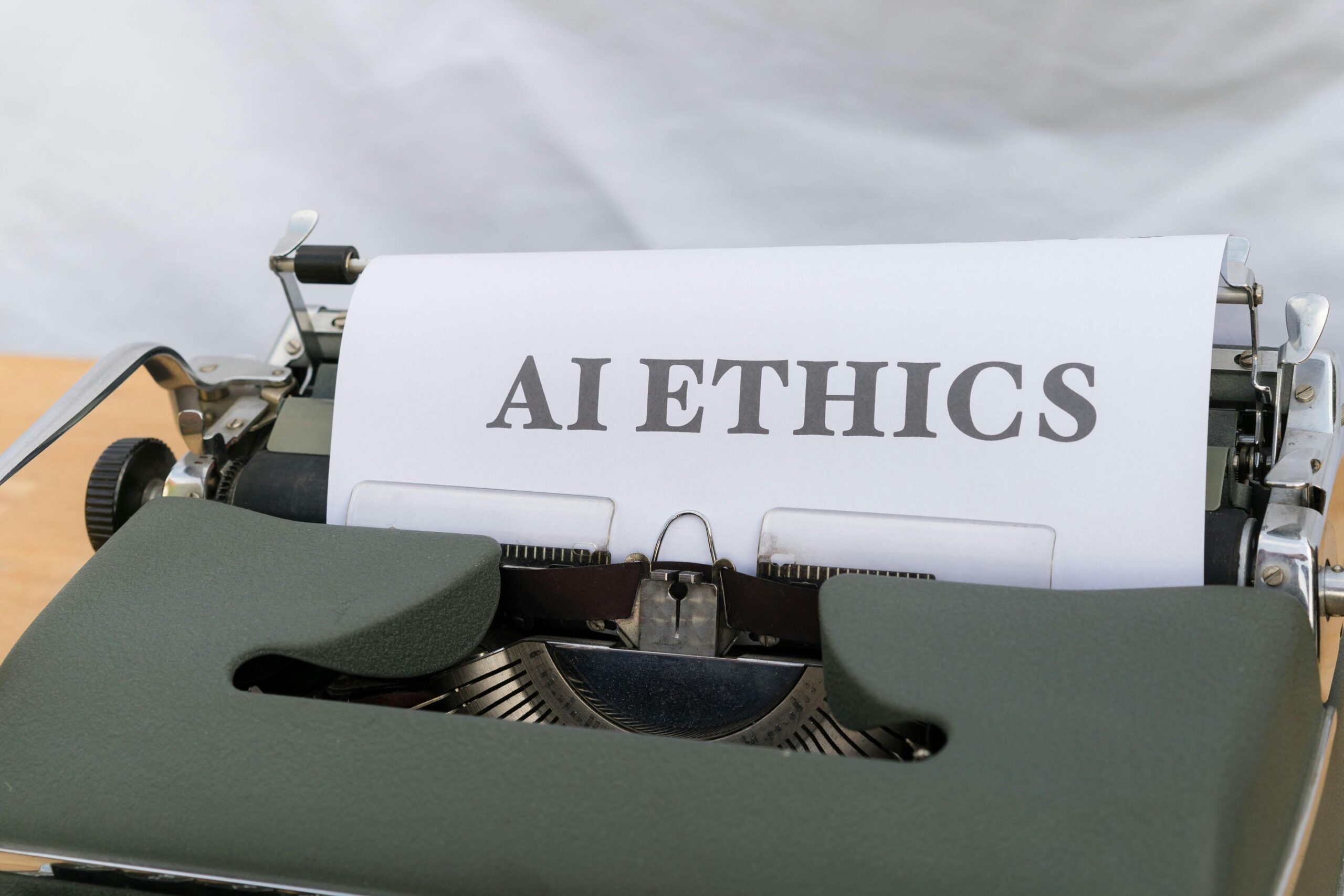
The legal world is witnessing an unprecedented transformation as artificial intelligence reshapes how disputes are resolved, bringing efficiency and precision to arbitration processes worldwide.

Traditional legal arbitration has long been plagued by delays, high costs, and inconsistencies in decision-making. However, the integration of AI technologies is creating a paradigm shift that promises to deliver justice more swiftly while maintaining—and potentially enhancing—the quality and fairness of outcomes. This revolution isn’t just about automation; it’s about fundamentally reimagining how legal disputes can be approached, analyzed, and resolved in the 21st century.
🤖 The Dawn of AI-Powered Legal Arbitration
Artificial intelligence has emerged as a game-changing force in the legal sector, particularly in arbitration proceedings where efficiency and accuracy are paramount. AI systems are now capable of analyzing vast amounts of legal precedents, identifying patterns in case law, and providing insights that would take human lawyers weeks or months to compile.
The technology encompasses various applications, from natural language processing that can interpret complex legal documents to machine learning algorithms that predict case outcomes based on historical data. These tools are not replacing human arbitrators but rather augmenting their capabilities, allowing them to make more informed decisions in considerably less time.
Major law firms and arbitration centers worldwide are investing heavily in AI infrastructure. The London Court of International Arbitration, Singapore International Arbitration Centre, and similar institutions have begun incorporating AI tools into their workflows, recognizing that this technology is essential for remaining competitive in the global legal marketplace.
⚡ Speed: Accelerating the Path to Resolution
One of the most compelling advantages of AI in legal arbitration is the dramatic reduction in time required to reach resolutions. Traditional arbitration cases can stretch from months to years, creating significant stress and financial burden for all parties involved.
Document Review and Analysis
AI-powered document review systems can process thousands of pages in minutes, identifying relevant clauses, precedents, and potential issues with remarkable accuracy. What previously required teams of paralegals working around the clock can now be accomplished by AI systems that work continuously without fatigue or error accumulation.
These systems utilize optical character recognition, natural language processing, and semantic analysis to understand context, not just keywords. They can flag inconsistencies, identify missing information, and even suggest relevant case law that human researchers might overlook.
Automated Case Management
AI scheduling systems optimize hearing dates, coordinate multiple parties across time zones, and manage document submissions with unprecedented efficiency. Smart calendaring tools consider arbitrator availability, party preferences, and jurisdictional requirements simultaneously, reducing administrative overhead by up to 70% in some implementations.
The technology also facilitates real-time updates to all stakeholders, ensuring transparency throughout the arbitration process and eliminating the communication delays that often extend case timelines unnecessarily.
🧠 Intelligence: Smarter Decision-Making Through Data
The “smarter” aspect of AI-enhanced arbitration goes beyond simple automation. These systems bring analytical capabilities that fundamentally improve the quality of legal reasoning and decision-making.
Predictive Analytics in Case Assessment
AI algorithms can analyze historical arbitration outcomes to provide statistical probabilities about how similar cases might be decided. This predictive capability allows parties to make more informed decisions about whether to settle or proceed to full arbitration, potentially saving resources on cases with predictable outcomes.
These predictions are based on multiple variables including case type, jurisdiction, arbitrator tendencies, specific legal issues involved, and even linguistic patterns in submitted documents. The accuracy of these predictions continues to improve as systems process more cases and refine their models.
Pattern Recognition and Precedent Identification
Human memory and research capabilities have natural limitations. AI systems, however, can instantly cross-reference current cases against millions of previous decisions, identifying subtle parallels and relevant precedents that might otherwise go unnoticed.
This comprehensive approach to precedent analysis ensures that decisions are grounded in the full body of relevant case law rather than limited to what individual arbitrators can recall or what legal teams have time to research.
⚖️ Fairness: Reducing Bias and Enhancing Equity
Perhaps the most profound impact of AI in arbitration is its potential to create fairer outcomes by identifying and mitigating various forms of bias that can unconsciously influence human decision-makers.
Identifying Unconscious Bias
Research has demonstrated that human decision-makers, despite their best intentions, are influenced by numerous cognitive biases. AI systems can be designed to flag potential biases in reasoning, ensuring that decisions are based on legal merit rather than extraneous factors.
These systems analyze decision patterns to identify statistical anomalies that might indicate bias—for instance, if certain types of claimants consistently receive less favorable outcomes in similar circumstances. This meta-analysis capability provides a safeguard against systemic unfairness.
Standardizing Application of Legal Principles
Consistency is a cornerstone of justice. AI systems help ensure that similar cases are treated similarly by applying legal principles uniformly across all matters. This standardization reduces the “arbitrator lottery” phenomenon where outcomes depend more on who hears the case than on the case’s actual merits.
The technology doesn’t eliminate human judgment—rather, it ensures that judgment is applied consistently within established legal frameworks, providing all parties with greater confidence in the fairness of the process.
🌐 Global Accessibility and Democratization of Justice
AI is making high-quality arbitration services accessible to parties who previously couldn’t afford traditional legal proceedings. This democratization represents a fundamental shift in who can access effective dispute resolution.
Cost Reduction Through Efficiency
By automating routine tasks and accelerating processes, AI significantly reduces the overall cost of arbitration. Cases that might have required hundreds of billable hours can now be resolved with a fraction of that investment, making arbitration viable for small and medium-sized disputes.
This cost reduction doesn’t come from cutting corners—it results from genuine efficiency improvements that benefit all stakeholders. Legal fees represent the largest component of arbitration costs, and AI’s ability to reduce the time lawyers must spend on routine tasks directly translates to lower client expenses.
Language and Cultural Barriers
AI-powered translation and cultural context analysis tools are breaking down international barriers to arbitration. Real-time translation systems enable parties from different linguistic backgrounds to participate fully in proceedings without the delays and distortions that can occur with human interpretation.
These systems go beyond literal translation to consider legal terminology nuances and cultural context, ensuring that all parties truly understand proceedings and can present their cases effectively regardless of their native language.
🔒 Challenges and Considerations in AI Implementation
Despite its transformative potential, the integration of AI into legal arbitration presents several challenges that must be thoughtfully addressed to ensure responsible and effective implementation.
Data Privacy and Security Concerns
Arbitration often involves highly sensitive commercial information and personal data. AI systems require access to substantial data to function effectively, raising legitimate concerns about data security, confidentiality, and compliance with privacy regulations like GDPR and CCPA.
Robust encryption, secure cloud infrastructure, and strict access controls are essential. Additionally, clear protocols must govern how AI systems handle confidential information and what happens to data after cases conclude.
The Black Box Problem
Many advanced AI systems, particularly deep learning models, operate as “black boxes” where even their creators cannot fully explain how specific conclusions were reached. This opacity poses challenges in legal contexts where parties have the right to understand the reasoning behind decisions affecting them.
The legal community is working toward “explainable AI” systems that can provide transparent reasoning trails, ensuring that AI-assisted decisions can be scrutinized and challenged when necessary. This transparency is essential for maintaining trust in the arbitration process.
Ethical Guidelines and Regulatory Frameworks
The rapid advancement of AI technology has outpaced the development of comprehensive regulatory frameworks governing its use in legal contexts. Professional organizations and arbitration institutions are working to establish ethical guidelines, but significant work remains.
Questions about liability when AI systems make errors, the extent to which AI recommendations should influence arbitrators, and who bears responsibility for algorithmic bias must be addressed through thoughtful regulation that balances innovation with accountability.
💡 Real-World Applications and Success Stories
The theoretical benefits of AI in arbitration are increasingly being validated by practical implementations across various sectors and jurisdictions.
E-Commerce Dispute Resolution
Online marketplaces have pioneered AI-assisted arbitration for resolving buyer-seller disputes. Companies like eBay and Alibaba handle millions of disputes annually, with AI systems now resolving routine cases in minutes rather than days. These platforms report resolution times decreased by over 80% while maintaining high satisfaction rates from participants.
International Commercial Arbitration
Major arbitration centers have implemented AI tools for case management and legal research. The International Chamber of Commerce has reported that AI-assisted case preparation has reduced the time from filing to first hearing by an average of 35%, with no decrease in decision quality.
Employment and Labor Disputes
AI systems are proving particularly effective in employment disputes where large volumes of similar cases benefit from standardized analysis. Pattern recognition capabilities help identify systemic workplace issues while ensuring individual cases receive fair consideration based on their specific circumstances.
🚀 The Future Landscape of AI-Enhanced Arbitration
As AI technology continues evolving, its role in legal arbitration will expand and deepen, creating possibilities that currently seem futuristic but are rapidly becoming reality.
Virtual Arbitrators and AI Decision Support
Experimental systems are being developed where AI doesn’t just assist human arbitrators but serves as a primary decision-maker in routine cases, with human oversight for complex or sensitive matters. This hybrid approach maximizes efficiency while preserving human judgment where it’s most needed.
Blockchain Integration for Transparency
The convergence of AI and blockchain technology promises immutable records of arbitration proceedings, creating unprecedented transparency and accountability. Smart contracts can automatically execute arbitration awards, reducing post-decision compliance issues.
Continuous Learning Systems
Future AI systems will learn from each case they process, continuously improving their analytical capabilities and adapting to evolving legal standards. This continuous improvement cycle will make arbitration increasingly effective over time.
🎯 Preparing for an AI-Integrated Legal Future
Legal professionals, institutions, and parties involved in arbitration must proactively prepare for this AI-enhanced future to maximize its benefits while mitigating potential risks.
Education and Training
Law schools and continuing legal education programs must integrate AI literacy into their curricula. Understanding how AI systems work, their capabilities and limitations, and how to effectively work alongside these tools will become essential competencies for legal professionals.
Institutional Adaptation
Arbitration institutions need to invest in technological infrastructure while developing protocols for AI integration that respect due process rights and maintain the integrity of proceedings. This adaptation requires balancing innovation with the fundamental principles that underpin legal dispute resolution.
Stakeholder Collaboration
Technology developers, legal professionals, ethicists, and regulators must collaborate to shape AI implementation in ways that serve justice rather than merely efficiency. This multidisciplinary approach will help ensure that AI enhances rather than undermines the foundational values of legal systems.
⭐ Transforming Justice One Case at a Time
The integration of artificial intelligence into legal arbitration represents more than technological advancement—it’s a fundamental reimagining of how societies can deliver justice more effectively. By making arbitration faster, smarter, and fairer, AI is expanding access to justice for individuals and organizations who previously found legal processes prohibitively expensive or time-consuming.
The challenges are real and must be addressed thoughtfully, but the potential benefits are transformative. As AI systems continue to evolve and improve, they promise to create arbitration processes that are not only more efficient but genuinely more equitable, ensuring that justice is accessible to all rather than reserved for those with the deepest pockets or greatest patience.
The legal community stands at a crossroads. Those who embrace AI thoughtfully—understanding both its capabilities and its limitations—will be best positioned to deliver superior outcomes for their clients. Those who resist risk being left behind as the profession evolves around them.
The revolution in legal arbitration is not coming—it’s already here. The question is not whether AI will transform how disputes are resolved, but how quickly and thoroughly that transformation will occur. By approaching this change with open minds, ethical consideration, and commitment to justice, the legal profession can harness AI to create a future where dispute resolution is truly faster, smarter, and fairer for everyone involved.