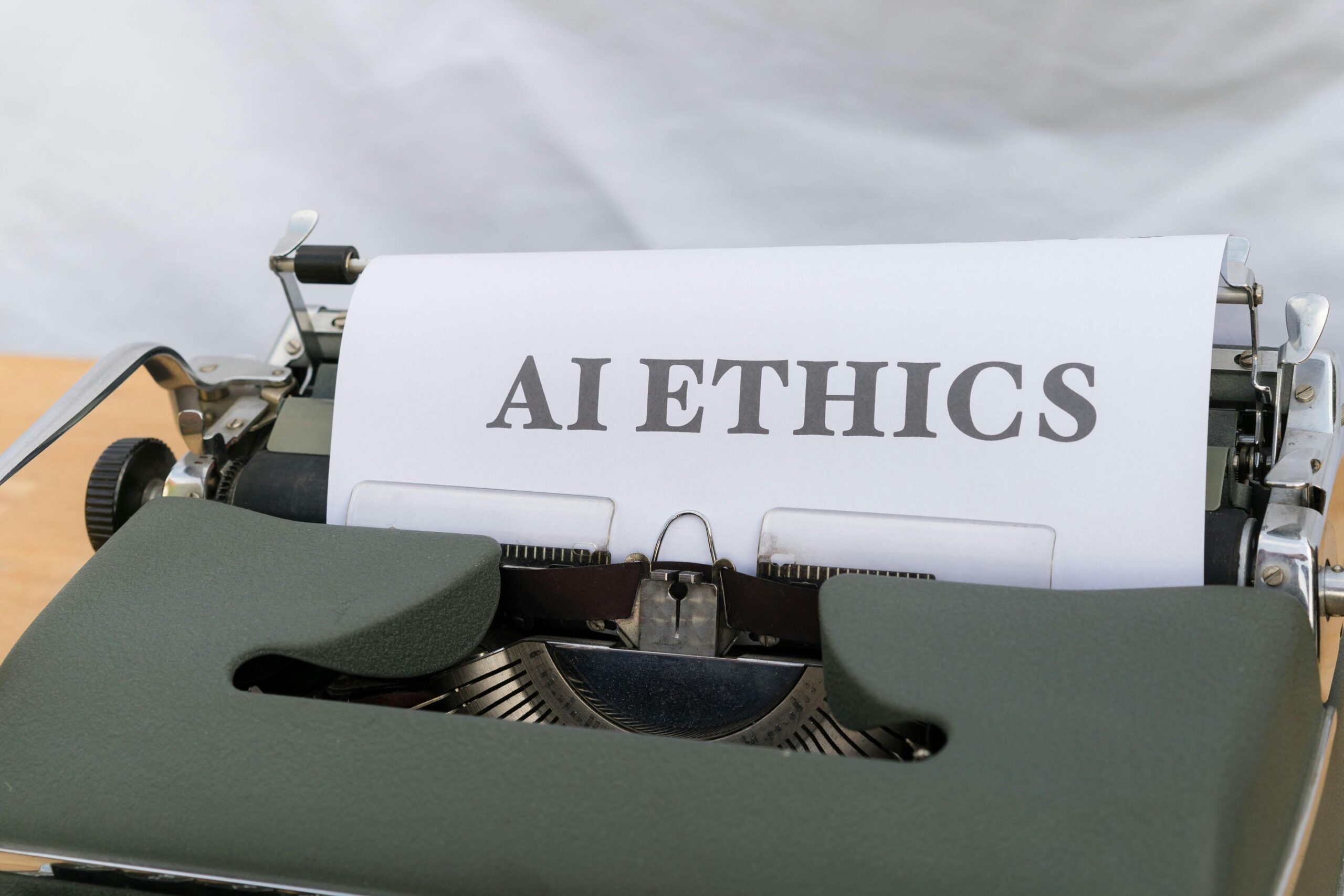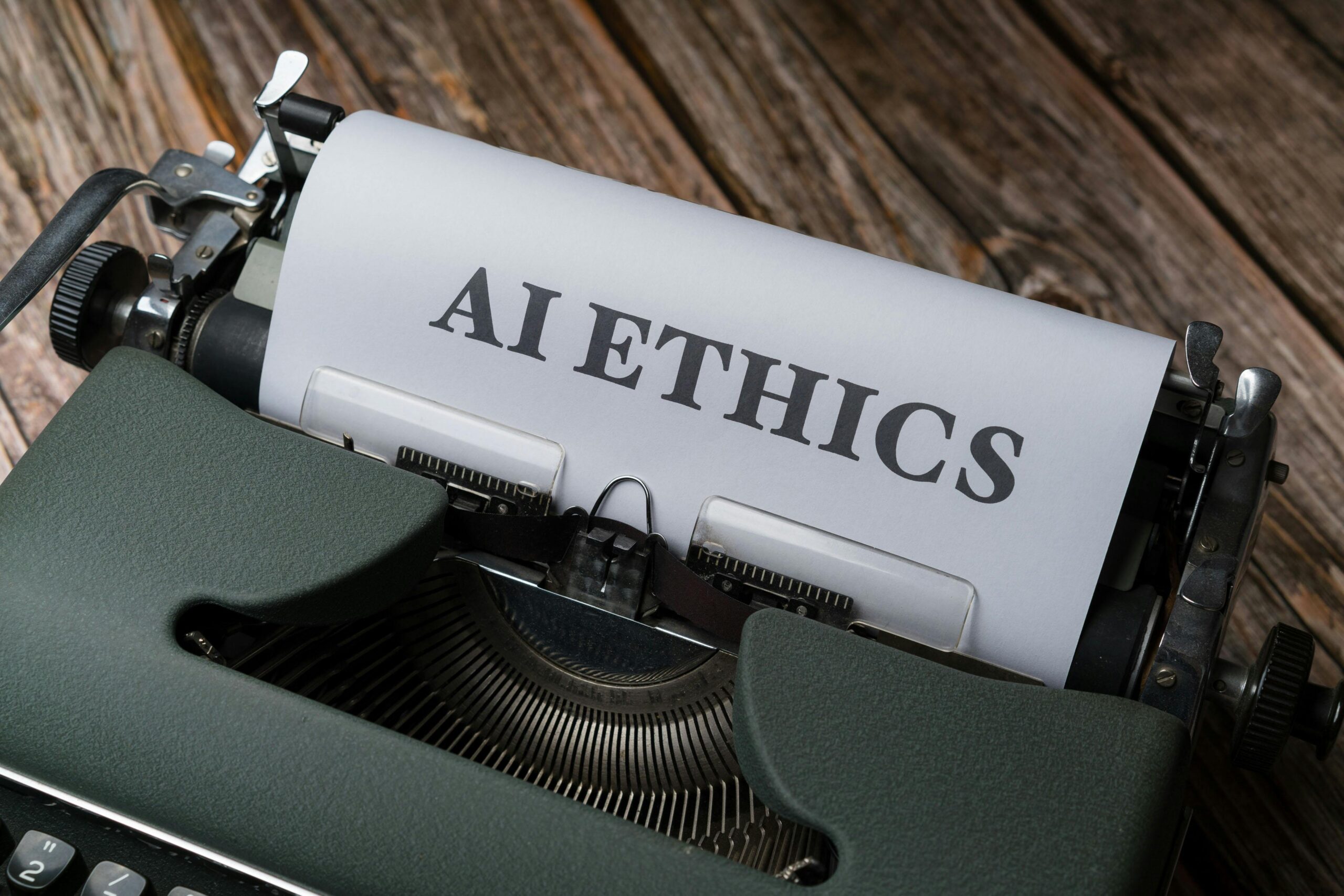
Corporate moral responsibility has evolved from a buzzword into a fundamental pillar of modern business strategy. Today’s consumers, employees, and stakeholders expect more than profit-driven initiatives—they demand ethical accountability.

The intersection of business operations and moral obligations creates a powerful framework for sustainable growth. Companies that embrace ethical impact not only contribute to societal well-being but also position themselves as industry leaders in an increasingly conscious marketplace. This transformation reflects a deeper understanding that long-term success requires more than financial gains; it demands a commitment to values that resonate with humanity’s collective aspirations for a better world.
🌍 The Foundation of Corporate Moral Responsibility
Corporate moral responsibility extends beyond traditional corporate social responsibility (CSR) programs. It represents an organization’s commitment to ethical decision-making at every operational level, from supply chain management to executive boardroom discussions. This comprehensive approach acknowledges that businesses operate within complex ecosystems where their actions create ripple effects across communities, environments, and economies.
The foundation rests on three core principles: transparency, accountability, and stakeholder engagement. Transparency ensures that corporate actions remain visible and verifiable, allowing consumers and watchdog organizations to assess claims against reality. Accountability means accepting responsibility for both positive contributions and negative externalities. Stakeholder engagement involves actively listening to diverse voices—employees, customers, suppliers, communities, and even competitors—to understand the broader impact of business decisions.
Understanding the Moral Imperative
The moral imperative for corporate responsibility stems from the recognition that businesses wield significant power in shaping societal outcomes. With global corporations often possessing resources that rival nation-states, their influence on environmental policies, labor standards, and economic inequality cannot be understated. This power creates an ethical obligation to use resources wisely and considerately.
Historical corporate scandals have demonstrated the devastating consequences of moral negligence. From environmental disasters to labor exploitation, the absence of ethical frameworks has caused irreparable harm. These cautionary tales underscore why moral responsibility isn’t optional—it’s essential for maintaining public trust and ensuring business sustainability.
💼 Building Ethical Business Models
Constructing ethical business models requires integrating moral considerations into strategic planning processes. This integration transforms ethics from a compliance checkbox into a competitive advantage. Companies that successfully embed ethical principles into their DNA often discover innovative solutions that benefit both bottom lines and broader society.
Ethical business models prioritize value creation for all stakeholders rather than shareholder primacy alone. This stakeholder capitalism approach recognizes that employees, customers, communities, and the environment all contribute to—and deserve benefits from—corporate success. By balancing diverse interests, companies build resilience against market volatility and regulatory changes.
Implementing Ethical Supply Chains
Supply chain ethics represents one of the most challenging yet crucial aspects of corporate moral responsibility. Modern supply chains span continents and involve countless intermediaries, making transparency difficult but not impossible. Ethical companies invest in traceability systems that track products from raw material sourcing to final delivery, ensuring fair labor practices and environmental stewardship throughout.
Technology plays a pivotal role in supply chain ethics. Blockchain solutions, artificial intelligence monitoring systems, and satellite imagery help companies verify supplier claims and detect violations. These tools empower businesses to hold partners accountable while providing consumers with verifiable information about product origins and manufacturing conditions.
🌱 Environmental Stewardship as Moral Duty
Environmental responsibility has transitioned from optional green initiatives to mandatory survival strategies. Climate change, resource depletion, and biodiversity loss pose existential threats that demand corporate action. Companies now recognize that environmental degradation directly impacts their operational capabilities, from disrupted supply chains to regulatory penalties and reputational damage.
Leading organizations embrace circular economy principles that minimize waste and maximize resource efficiency. These models challenge the traditional linear “take-make-dispose” approach by designing products for longevity, repairability, and recyclability. By viewing waste as a design flaw rather than an inevitable byproduct, companies uncover opportunities for innovation and cost reduction.
Carbon Neutrality and Beyond
Achieving carbon neutrality represents a significant milestone in corporate environmental responsibility, but truly ethical companies aim higher. Net-zero emissions targets, renewable energy investments, and ecosystem restoration projects demonstrate commitment to reversing environmental damage rather than merely halting it.
Companies implementing comprehensive climate strategies often discover unexpected benefits. Energy efficiency upgrades reduce operational costs, sustainable product lines attract environmentally conscious consumers, and green innovations open new market opportunities. These outcomes prove that environmental responsibility and profitability can coexist harmoniously.
👥 Prioritizing Human Capital and Dignity
Ethical impact requires treating employees as valued partners rather than expendable resources. This human-centered approach acknowledges that workforce well-being directly correlates with productivity, innovation, and customer satisfaction. Companies that invest in employee development, mental health support, and work-life balance consistently outperform competitors that view labor costs as mere line items.
Fair compensation extends beyond minimum wage compliance to living wage commitments that enable employees to meet basic needs with dignity. This includes comprehensive benefits packages, retirement planning support, and protections against arbitrary termination. When employees feel secure and valued, they become passionate brand ambassadors who drive organic growth through genuine enthusiasm.
Diversity, Equity, and Inclusion Initiatives
Meaningful diversity, equity, and inclusion (DEI) programs recognize that varied perspectives strengthen decision-making and innovation. Ethical companies move beyond performative diversity metrics to create inclusive cultures where all voices receive genuine consideration. This involves examining unconscious biases in hiring, promotion, and compensation decisions while actively dismantling systemic barriers.
Successful DEI initiatives require sustained commitment rather than temporary campaigns. Regular audits, transparent reporting, and accountability mechanisms ensure progress toward equity goals. Companies that excel in this area often discover untapped talent pools and develop products that resonate with diverse consumer segments previously overlooked.
🤝 Community Engagement and Social Impact
Corporate moral responsibility extends beyond company walls into surrounding communities. Ethical businesses recognize their role in local economic development, education advancement, and social cohesion. Strategic community partnerships create shared value that benefits both commercial interests and societal well-being.
Effective community engagement requires authentic relationship-building rather than transactional charity. Companies that invest time in understanding community needs and co-creating solutions generate more meaningful impact than those imposing externally developed programs. This collaborative approach builds trust and ensures initiatives address genuine priorities rather than corporate assumptions.
Measuring Social Return on Investment
Quantifying social impact enables companies to assess program effectiveness and optimize resource allocation. Social return on investment (SROI) frameworks translate community benefits into measurable outcomes, demonstrating how ethical initiatives contribute to both societal welfare and business objectives. These metrics help justify continued investment in programs that might otherwise face budget cuts.
- Educational program outcomes measured through graduation rates and skill acquisition
- Health initiative impact tracked via community wellness indicators
- Economic development success evaluated through local employment rates
- Environmental projects assessed by measurable ecosystem improvements
- Cultural preservation efforts quantified through engagement and participation metrics
📊 Transparency and Ethical Reporting
Transparent communication builds trust that forms the foundation of lasting stakeholder relationships. Ethical companies embrace disclosure standards that exceed regulatory minimums, voluntarily sharing information about environmental impact, labor practices, and governance structures. This transparency allows stakeholders to make informed decisions while holding corporations accountable for stated commitments.
Integrated reporting frameworks combine financial and non-financial performance indicators, providing holistic views of corporate value creation. These reports demonstrate how ethical practices contribute to long-term sustainability rather than representing costs that detract from profitability. By illustrating connections between moral responsibility and business success, companies inspire peer organizations to elevate their own standards.
Third-Party Verification and Certifications
Independent audits and recognized certifications lend credibility to ethical claims that might otherwise face skepticism. B Corporation certification, Fair Trade verification, and LEED environmental standards provide objective validation of corporate commitments. These third-party endorsements simplify consumer decision-making while incentivizing continuous improvement across industries.
🚀 Innovation Through Ethical Constraints
Contrary to assumptions that ethical requirements limit creativity, moral boundaries often catalyze innovation. Constraints force companies to reimagine products, services, and processes in ways that unlock competitive advantages. History demonstrates that breakthrough innovations frequently emerge when conventional approaches prove unsustainable or socially unacceptable.
Companies pioneering ethical innovations often capture first-mover advantages in emerging markets. As consumer preferences shift toward sustainable and socially responsible options, early adopters establish brand loyalty and market share difficult for competitors to challenge. This strategic positioning transforms moral responsibility from potential liability into significant asset.
Technology as Enabler of Ethical Practices
Digital technologies democratize access to information that empowers ethical decision-making. Mobile applications, data analytics platforms, and communication tools enable companies to monitor operations in real-time, identify ethical concerns promptly, and implement corrective measures efficiently. These capabilities enhance accountability while reducing costs associated with ethical compliance.
💡 Leadership and Corporate Culture
Ethical corporate culture begins with leadership commitment that cascades throughout organizational hierarchies. When executives prioritize moral responsibility in word and deed, they establish norms that guide employee behavior across all departments and geographies. This cultural foundation proves more effective than compliance manuals in fostering ethical decision-making during complex situations.
Leaders demonstrate commitment through resource allocation, performance evaluation criteria, and personal conduct. Companies that incorporate ethical metrics into compensation structures signal that moral responsibility carries weight equal to financial performance. This alignment ensures that ethical considerations receive serious attention rather than lip service during strategic planning.
Cultivating Ethical Decision-Making Skills
Ethical literacy requires ongoing education that equips employees with frameworks for navigating moral dilemmas. Training programs that explore case studies, facilitate ethical reasoning, and encourage open dialogue prepare teams to recognize and address conflicts before they escalate. This proactive approach prevents crises while empowering employees to become ethical advocates.
🌟 The Business Case for Moral Responsibility
While ethical behavior represents a moral imperative, it also delivers tangible business benefits that justify investment. Companies with strong ethical reputations attract top talent, command customer loyalty, and access capital more easily than peers perceived as morally ambiguous. These advantages compound over time, creating sustainable competitive moats difficult for rivals to overcome.
Risk mitigation constitutes another compelling business argument for ethical practices. Companies that proactively address environmental, social, and governance (ESG) concerns reduce exposure to regulatory penalties, lawsuits, and reputational crises. This defensive benefit complements offensive advantages, making moral responsibility a comprehensive strategic imperative rather than optional enhancement.
| Ethical Practice | Business Benefit | Stakeholder Impact |
|---|---|---|
| Environmental Sustainability | Reduced operational costs, brand differentiation | Healthier ecosystems, climate stability |
| Fair Labor Practices | Higher productivity, lower turnover | Improved quality of life, economic mobility |
| Supply Chain Ethics | Risk reduction, quality assurance | Human rights protection, community development |
| Transparent Governance | Investor confidence, regulatory goodwill | Market integrity, public trust |
| Community Investment | Social license to operate, local support | Education access, infrastructure improvement |
🔮 Future Trends in Corporate Ethics
The trajectory of corporate moral responsibility points toward increasing integration of ethical considerations into every business function. Emerging technologies like artificial intelligence and biotechnology present novel ethical challenges requiring proactive frameworks rather than reactive regulations. Forward-thinking companies invest in ethics advisory boards and impact assessments that anticipate consequences before deploying innovations.
Stakeholder activism continues intensifying as information accessibility empowers consumers, employees, and investors to demand accountability. Social media amplifies voices that historically lacked platforms, forcing companies to respond to concerns previously ignored. This democratization of influence reshapes power dynamics, making ethical behavior essential for maintaining legitimacy and market access.
Regulatory Evolution and Global Standards
Governments worldwide recognize that voluntary corporate ethics initiatives require regulatory reinforcement to achieve systemic change. Mandatory ESG disclosure requirements, carbon pricing mechanisms, and human rights due diligence laws reflect growing consensus that market forces alone cannot address existential challenges. Companies that anticipate regulatory trends position themselves advantageously while those resisting change face increasing compliance costs and restrictions.
🎯 Creating Your Ethical Impact Strategy
Organizations seeking to enhance moral responsibility should begin with comprehensive impact assessments that identify current strengths and improvement opportunities. This honest evaluation establishes baselines against which to measure progress while highlighting priorities for immediate action. Engaging diverse stakeholders in assessment processes ensures multiple perspectives inform strategic planning.
Implementation requires clear goal-setting, resource allocation, and accountability mechanisms. SMART objectives (Specific, Measurable, Achievable, Relevant, Time-bound) translate ethical aspirations into actionable plans that departments can execute. Regular monitoring and transparent reporting maintain momentum while demonstrating commitment to continuous improvement.
Cross-functional collaboration ensures ethical considerations permeate all operations rather than remaining siloed in dedicated departments. When procurement teams, product developers, marketers, and financial analysts all incorporate ethical criteria into their work, moral responsibility becomes embedded in organizational DNA. This holistic integration produces authentic transformation rather than superficial changes.

✨ Transforming Challenges into Opportunities
The path toward enhanced corporate moral responsibility inevitably encounters obstacles ranging from short-term cost pressures to entrenched organizational resistance. However, companies that persevere through initial challenges discover that ethical practices ultimately strengthen rather than weaken competitive positioning. The key lies in framing moral responsibility as strategic investment rather than charitable expense.
Success stories from industry leaders demonstrate that ethical impact and financial performance reinforce rather than contradict each other. Companies like Patagonia, Unilever, and Interface prove that businesses can thrive while advancing environmental sustainability and social justice. These examples inspire others to pursue similar paths, creating momentum toward systemwide transformation that benefits everyone.
As we navigate increasingly complex global challenges, corporate moral responsibility represents not just an ethical choice but a practical necessity. Companies that embrace this reality will shape markets, influence policies, and contribute to societal progress. Those that resist risk obsolescence in a world where consumers, employees, and investors increasingly vote with their wallets, talent, and capital for organizations that demonstrate genuine commitment to creating a better future for all.