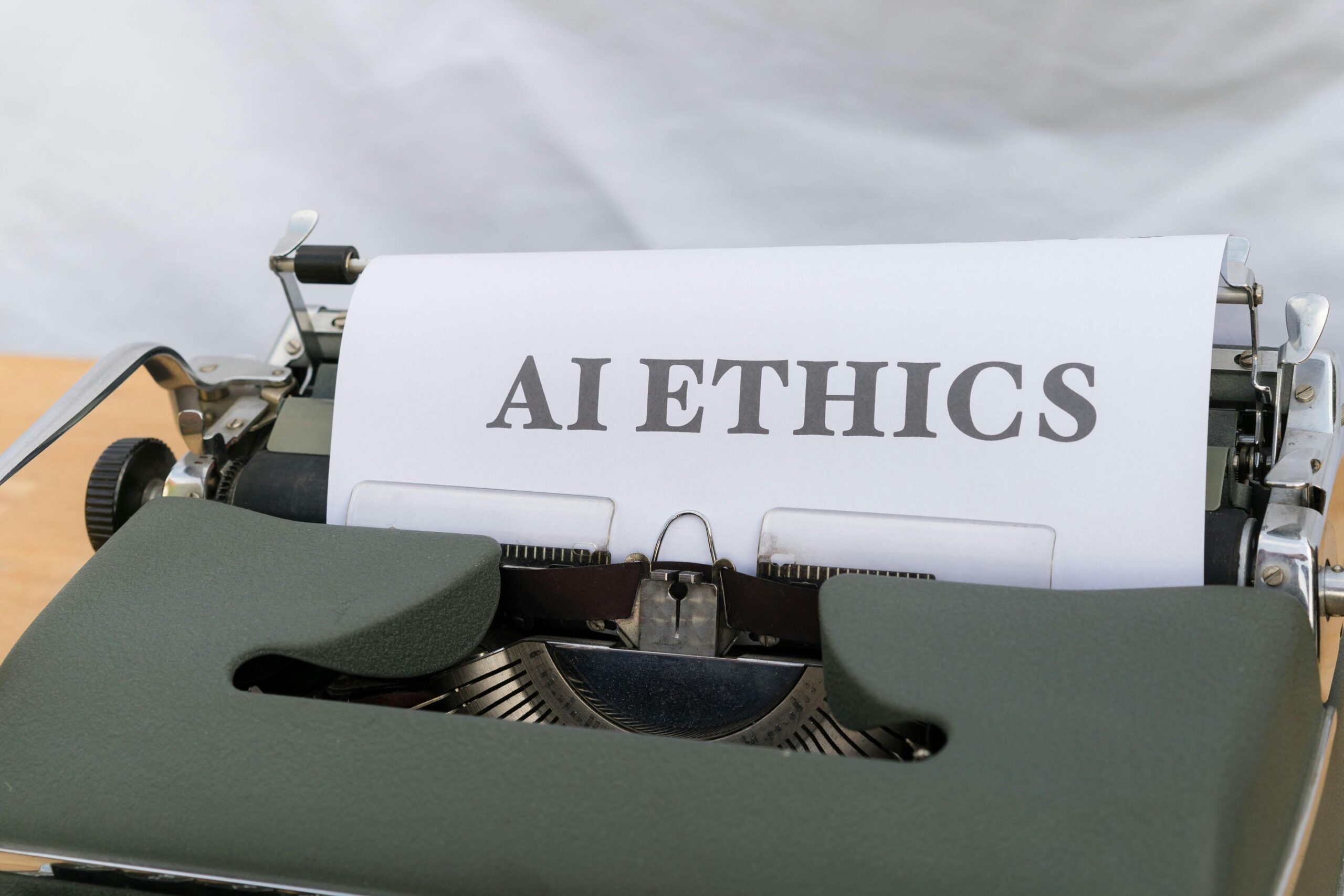
The line between human and machine grows thinner each day, challenging our understanding of what it means to be human in an age of rapid technological advancement.

As genetic engineering, artificial intelligence, and cybernetic enhancements reshape our biological and cognitive limitations, we stand at the precipice of a profound transformation. This evolution demands a radical reimagining of ethical frameworks that have guided humanity for centuries. The posthuman era isn’t merely approaching—it’s already unfolding around us, forcing society to grapple with questions our ancestors never imagined possible.
🧬 The Dawn of Posthuman Existence
Posthumanism represents more than just technological augmentation of the human body. It embodies a philosophical shift that challenges anthropocentric worldviews and recognizes the fluidity of human identity. We’re witnessing the emergence of individuals who transcend traditional biological constraints through neural implants, genetic modifications, and AI-assisted cognition.
This transformation isn’t science fiction anymore. Companies and research institutions worldwide are developing technologies that fundamentally alter human capabilities. From CRISPR gene editing that could eliminate hereditary diseases to brain-computer interfaces that merge consciousness with digital networks, the posthuman future is materializing in laboratories and clinics across the globe.
The ethical implications of these developments extend far beyond individual choice. They touch upon issues of access, equality, identity, and the very definition of human rights. When some individuals can enhance their intelligence, extend their lifespan indefinitely, or download skills directly into their brains, what happens to those who cannot or choose not to participate in this transformation?
🤖 Technological Enhancement and Moral Identity
The integration of technology into human biology raises fundamental questions about personal identity and moral agency. If significant portions of our cognitive processes occur through artificial neural networks, are our thoughts and decisions truly our own? This question becomes particularly pressing when considering the development of brain-computer interfaces that could potentially influence decision-making processes at levels below conscious awareness.
Traditional ethical frameworks built upon concepts of human autonomy and free will struggle to address scenarios where the boundary between biological thought and technological assistance becomes indistinguishable. The Ship of Theseus paradox takes on new urgency when applied to human consciousness: if we gradually replace biological neurons with synthetic equivalents, at what point does the original person cease to exist?
The Authenticity Debate in Enhanced Humanity
Critics of human enhancement technologies often invoke arguments about authenticity and the value of natural human experience. They contend that chemically or technologically induced capabilities lack the moral worth of abilities developed through effort and experience. However, this position becomes increasingly difficult to maintain when we recognize that humans have always used technology to extend their capabilities, from eyeglasses to calculators.
The posthuman perspective challenges us to reconsider what we value about human experience. Is struggle inherently valuable, or is it simply a limitation we’ve romanticized? If we can eliminate suffering through technological means, do we have a moral obligation to do so, or does something essential get lost in the process?
⚖️ Justice and Equity in the Posthuman Age
Perhaps no ethical concern looms larger in discussions of posthumanism than the potential for radical inequality. Enhancement technologies, at least initially, will be expensive and accessible only to wealthy individuals and nations. This could create a bifurcation of humanity into enhanced and non-enhanced populations, with the gap between them widening to the point where they might be considered different species.
The implications for social justice are staggering. Educational systems, employment opportunities, and political participation could all be structured in ways that favor enhanced individuals, creating feedback loops that entrench advantage across generations. Unlike previous forms of inequality based on circumstantial factors, posthuman inequality could be literally embodied in the biology and neurology of different human populations.
Addressing the Enhancement Divide
Some ethicists argue for treating enhancement technologies as public goods that should be universally accessible, similar to basic healthcare or education. This approach would require massive public investment and international cooperation to ensure equitable distribution. Others propose regulated markets with safeguards against the most extreme forms of inequality, while libertarian perspectives maintain that individuals should have unrestricted freedom to modify themselves as they see fit.
The challenge lies in balancing individual liberty with collective welfare. Prohibiting enhancement technologies entirely seems both impractical and paternalistic, yet allowing unchecked development could produce catastrophic social divisions. Finding middle paths that preserve innovation while preventing dystopian outcomes represents one of the central ethical challenges of our time.
🧠 Cognitive Liberty and Mental Privacy
As neural enhancement technologies advance, questions of cognitive liberty—the right to mental self-determination—become paramount. If governments or corporations can access, influence, or control thought processes through brain-computer interfaces, the most intimate sphere of human existence becomes vulnerable to external manipulation.
The concept of mental privacy takes on new dimensions when our thoughts might be decoded from neural patterns or when AI systems can predict our decisions before we consciously make them. Current legal frameworks provide minimal protection for this kind of cognitive data, and the speed of technological development far outpaces regulatory responses.
Neurorights as Human Rights
Forward-thinking legal scholars have begun articulating “neurorights” as a necessary expansion of human rights frameworks. These might include:
- The right to mental privacy and protection of neural data
- The right to mental integrity and freedom from unauthorized modification
- The right to psychological continuity and protection of personal identity
- The right to cognitive liberty and freedom of thought in enhanced forms
- The right to equal access to cognitive enhancement technologies
Implementing these rights requires international cooperation and binding agreements that can constrain both state and corporate actors. The difficulty lies in enforcing such rights when the technologies in question are developing rapidly and when different cultures hold varying views about the appropriate relationship between individual and collective interests.
🌍 Ecological and Cosmological Posthumanism
Posthuman ethics extends beyond individual enhancement to encompass humanity’s relationship with the broader environment and potential expansion beyond Earth. If humans can be radically redesigned, should we modify ourselves to better suit different environments rather than terraforming planets to suit current human biology?
This perspective inverts traditional anthropocentric approaches to space exploration and environmental management. Rather than viewing nature as something to be conquered or preserved in service of human interests, posthuman ethics might recognize humans as one element within larger ecological and cosmic systems that deserve consideration on their own terms.
Transcending Species Boundaries
The development of chimeric organisms that blend human and non-human genetics raises profound questions about species identity and moral status. If we can grant enhanced intelligence to non-human animals or incorporate non-human genetic material into human genomes, where do we draw moral boundaries? Traditional ethics that privilege humans based on species membership become untenable in a world where the category “human” itself becomes fluid and contested.
Some posthuman theorists advocate for an ethics based on capacities like sentience, self-awareness, and ability to suffer rather than species membership. This capacity-based approach would extend moral consideration to enhanced animals, sophisticated AI systems, and possibly even hybrid entities that don’t fit neatly into existing categories.
💭 Philosophical Foundations of Posthuman Ethics
Developing coherent ethical frameworks for the posthuman age requires grappling with fundamental philosophical questions. Traditional Western ethics has largely been built on assumptions about fixed human nature, but posthumanism challenges the very notion of a stable human essence.
Virtue ethics struggles when the virtues themselves might be technologically installed rather than cultivated through practice. Deontological frameworks built on human dignity become complicated when the definition of “human” is in flux. Utilitarian approaches face the challenge of comparing wellbeing across radically different forms of existence. Each major ethical tradition requires substantial revision to accommodate posthuman realities.
Process Philosophy and Becoming
Some scholars suggest that process philosophy, which emphasizes becoming over being and views identity as fluid rather than fixed, provides a more suitable foundation for posthuman ethics. From this perspective, there is no essential human nature to preserve or violate—only patterns of organization that persist through time while constantly evolving.
This framework allows for radical transformation while maintaining ethical continuity. Rather than asking whether an enhanced individual is “still human,” we might ask whether the process of transformation respects important values like autonomy, continuity of experience, and the wellbeing of all affected parties. The focus shifts from protecting a static definition of humanity to ensuring that processes of change unfold in ethically responsible ways.
🔬 Governance and Regulation in Transition
Implementing posthuman ethics requires institutional structures capable of managing unprecedented challenges. Current governance systems, designed for a world of relatively stable human biology and clear species boundaries, are ill-equipped to handle the complexity of posthuman scenarios.
Effective governance must balance multiple concerns: promoting beneficial innovation, preventing catastrophic risks, ensuring equitable access, protecting individual liberty, and maintaining social cohesion. This requires flexible, adaptive institutions that can respond to rapid technological change while maintaining democratic legitimacy and respect for diverse cultural perspectives.
Global Cooperation and Ethical Pluralism
Posthuman technologies respect no national borders, making international cooperation essential. However, different cultures hold varying views about human enhancement, with some embracing transhumanist visions enthusiastically while others resist on religious or philosophical grounds. Finding common ground among these diverse perspectives while respecting legitimate cultural differences represents a major diplomatic challenge.
One promising approach involves identifying core principles that transcend cultural boundaries—such as preventing suffering, respecting autonomy, and promoting flourishing—while allowing flexibility in how these principles are implemented in different contexts. This requires ongoing dialogue among diverse stakeholders, including scientists, ethicists, policymakers, religious leaders, and affected communities.
🚀 Navigating the Posthuman Transition
The ethical challenges of posthumanism aren’t distant future concerns—they’re emerging now and demanding immediate attention. We must develop frameworks that can guide responsible development while remaining open to revision as circumstances evolve. This requires intellectual humility, recognizing that our current understanding is necessarily limited and incomplete.
Several principles might guide this navigation. First, prioritize reversibility where possible, allowing individuals to undo modifications if desired. Second, maintain human diversity rather than convergence on a single enhanced template. Third, ensure democratic participation in decisions about enhancement technologies rather than leaving choices solely to markets or technical experts. Fourth, protect the vulnerable and ensure that enhancement doesn’t become a prerequisite for basic dignity and opportunity.
Most fundamentally, we must resist both uncritical enthusiasm and reflexive opposition. The posthuman transition offers tremendous potential benefits—elimination of disease, expanded consciousness, enhanced capabilities—but also poses serious risks. Wisdom lies in pursuing the benefits while carefully managing the dangers, always keeping human wellbeing and flourishing as the ultimate goals.

🌟 Beyond Human Boundaries
The posthuman age challenges us to expand our moral imagination beyond familiar categories. It demands that we reconsider what we value about human existence and why, distinguishing between essential goods worth preserving and contingent limitations worth overcoming. This isn’t about abandoning humanity but about recognizing that humanity itself has always been a work in progress, constantly evolving through biological, cultural, and now technological means.
The ethics we develop today will shape the posthuman future for generations to come. They will determine whether transformation leads to flourishing or catastrophe, whether it produces greater equality or entrenches division, whether it expands moral consideration or narrows it. The stakes couldn’t be higher, and the responsibility falls on all of us to engage thoughtfully with these profound questions.
As we stand at this threshold, we must remember that technology is ultimately a tool shaped by human values and choices. The posthuman future isn’t predetermined—it will be what we collectively decide to make it. By developing robust ethical frameworks now, engaging in inclusive dialogue, and maintaining focus on universal human wellbeing, we can guide this transition toward outcomes that honor the best of our heritage while embracing the possibilities of our future. The question isn’t whether humanity will be redefined, but how we’ll ensure that redefinition serves the deepest values that make existence meaningful and worthwhile.